

 Travel guide
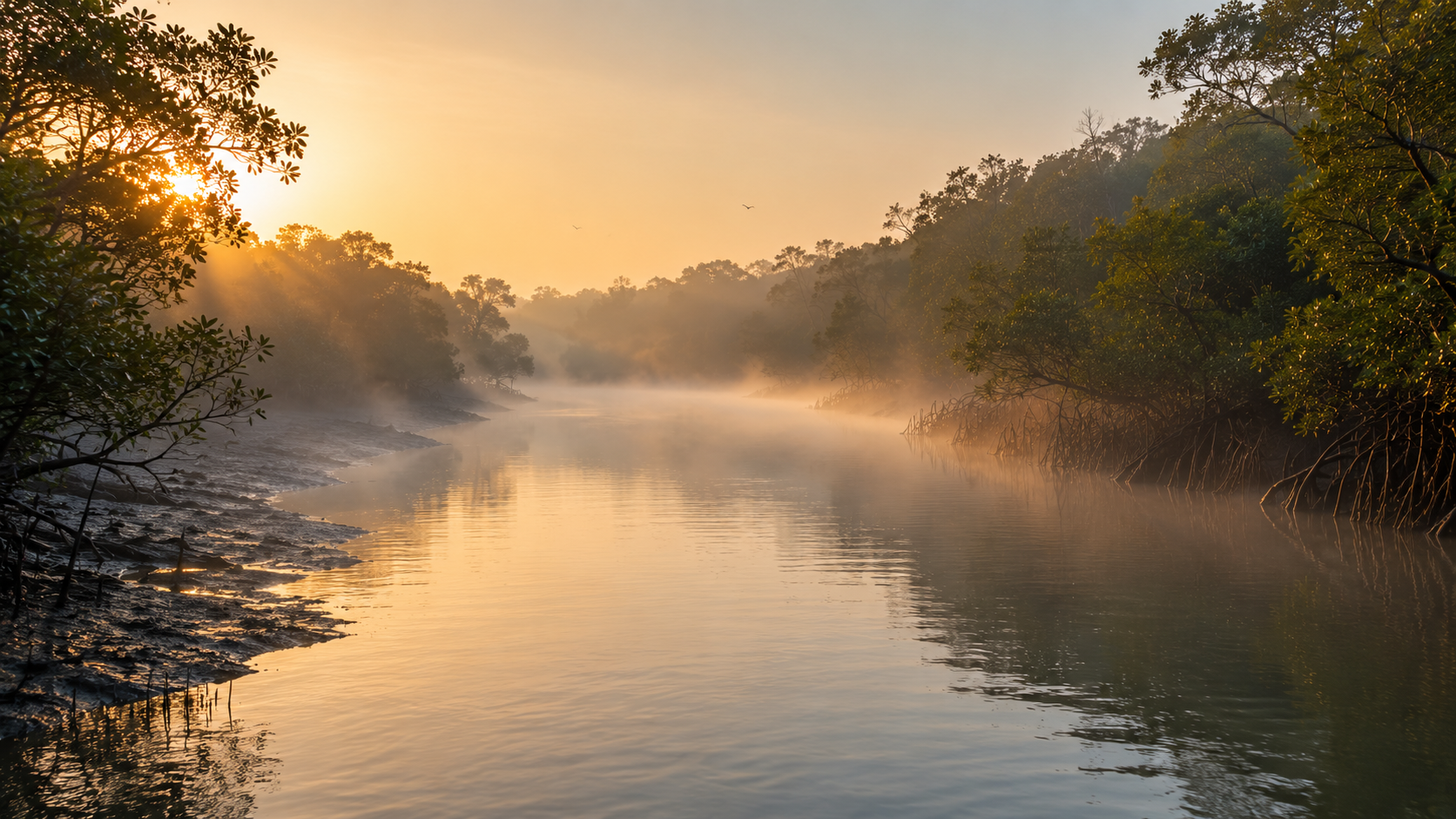
Sundarban in January has a particular kind of clarity.
Winter is fully established across the landscape, the early mornings carry a cooler feel, and the waterways open onto a season when wintering birds become an important part of the Sundarbans experience. For travellers, this is a month when the forest, mudflats and rivers can be appreciated through longer periods of outdoor exploration.
January is not the universally “best” month to visit the Sundarbans. The main travel season extends from October through mid-March, and each part of that period has a different character.
January’s distinction lies elsewhere: it is a deep-winter Sundarbans experience, with winter birdlife, exposed tidal habitats and a landscape that rewards careful attention.
For birdwatchers, photographers and travellers who enjoy understanding a destination rather than simply moving through it, that makes January particularly interesting.
What Is Sundarban Like in January?
By January, winter is no longer arriving; it has become part of the landscape.
The change is most noticeable during the early hours. A boat leaving for the forest can feel distinctly cooler, while later sunlight gradually brings definition to the waterways, mangrove edges and exposed tidal surfaces.
The wider Sundarbans is an environment shaped by water. UNESCO describes its network of tidal rivers, creeks, mudflats and islands as part of an ecosystem continually influenced by tidal processes, erosion and sediment deposition.
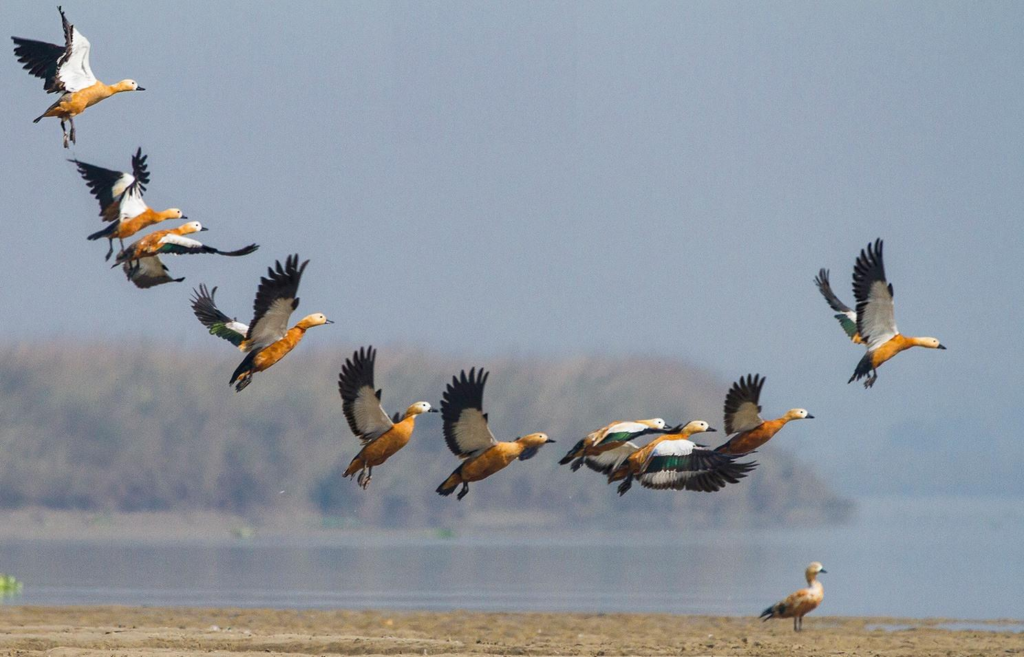
In January, those features become especially useful to observe because winter birdlife adds another layer to the landscape.
A traveller looking across a mudflat may see much more than an empty stretch of sediment. It can be a feeding ground, resting area or temporary gathering place for birds moving through the winter season.
That is one of the most distinctive things about Sundarban in January: the landscape becomes interesting at several scales at once.
What Should Travellers Expect From January Weather?
January is the coolest part of the year in the Sundarbans region.
The Department of Sundarban Affairs describes temperatures in the Sundarban as falling to around 20°C during December-January, while broader West Bengal climate information identifies January as the coldest month, with average minimum temperatures across the state’s plains generally ranging from 9°C to 16°C.
These are regional figures, not a guaranteed temperature for a particular forest island or boat route.
For travellers, the useful takeaway is that early mornings can feel genuinely cool, especially on open water. A light jacket or warm layer is therefore sensible for an early boat departure. By daytime, lighter and breathable clothing is generally more practical.
January is consequently a month for layering rather than packing exclusively for either warm or cold weather.
The winter character can also change from one day to another, so checking the forecast shortly before departure is worthwhile.
Why January Matters for Sundarban Birdwatching
Birdlife gives January one of its strongest seasonal identities.
The Indian Sundarbans is an important wintering area for waterbirds and waders. A systematic survey conducted during January and February 2005 counted 7,758 waders belonging to 32 species. More than half of those species were long-distance Arctic-breeding migrants, accounting for approximately 70% of the birds counted.
A later review of avian diversity across the greater Sundarbans notes that migratory waterbirds begin arriving during autumn, with numbers increasing toward late December and reaching a seasonal maximum around the last week of December and first week of January.
That makes January particularly interesting for anyone who enjoys identifying birds, watching feeding behaviour or photographing wetland habitats.
The significance is not limited to rare species.
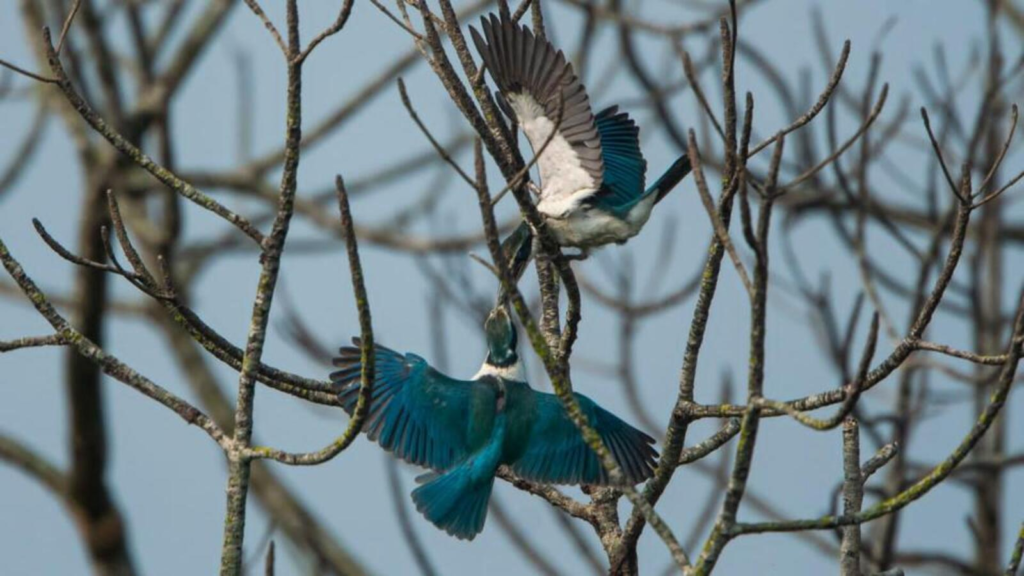
Winter brings a different composition of birds into a landscape that already supports resident waterbirds, raptors, kingfishers and forest species. UNESCO identifies the Sajnakhali area as an Important Bird Area and highlights the importance of the Sundarbans for waterfowl and migratory birds.
If birdwatching is part of your plan, binoculars are one of the most useful things you can bring.
Look at the Places Between the Trees
The January experience is not confined to the forest canopy.
Some of the most revealing places to watch are the edges: mudflats, shallow tidal water, sandbanks and creek margins.
These habitats change as water moves in and out. When a tidal surface becomes exposed, birds may use it for feeding; as the water returns, that same area can disappear beneath the tide.
The importance of these habitats is well illustrated by the winter-wader research conducted across the Indian Sundarbans, where extensive areas of mudflats, sandbanks and river channels were surveyed for waterbirds.
There are also remarkable individual records from January.
On 28 January 2023, a Eurasian Oystercatcher was recorded among Eurasian Curlews on a shallow tidal sandflat at Lothian Island. Two adults were photographed near the same sandflat on 31 January 2024. The researchers noted that these consecutive-year observations raised questions about whether the species may be a regular visitor or a vagrant along this part of India’s northeastern coast.
A sighting like this cannot be promised to a traveller.
What it demonstrates is more valuable: January can reward attention to habitats that are easy to overlook.
Wildlife in Sundarban in January
January is a good period for exploring the wider wildlife landscape, but the experience is fundamentally different from a conventional road safari.
There are no roads cutting through the forest where wildlife can simply be followed from one point to another.
The waterways are central.
The Sundarbans is a tidal delta where land and water constantly interact. Its islands, creeks and mudflats are shaped by erosion and deposition, creating a landscape that is continually being rearranged.
That makes wildlife observation partly an exercise in understanding habitat.
Spotted deer may appear along forest margins. Crocodiles can be encountered around suitable waterways. Raptors and kingfishers may use different parts of the tidal landscape, while smaller creatures often go unnoticed unless you deliberately look for them.
And, of course, there is the Royal Bengal Tiger.
The tiger is central to the identity of the Sundarbans, but no responsible travel guide should promise a sighting. Wildlife remains unpredictable, and January does not change that fundamental reality.
A better reason to visit is the opportunity to experience the entire system in which the tiger exists.
A January Boat Safari Is About Reading the Water
See it for yourself
A private journey shaped around you — your group, your pace, your interests. Book a free consultation.
A Sundarban boat safari in January can be much more than a route between forest locations.
The reserve’s official guidance states that tourists entering the Sundarban Tiger Reserve must travel in booked, registered boats, and boats entering the reserve are accompanied by ecotourism guides. The reserve identifies Godkhali and Dhamakhali among the boarding points used to access the area.
Once on the water, resist the temptation to treat every quiet stretch as downtime.
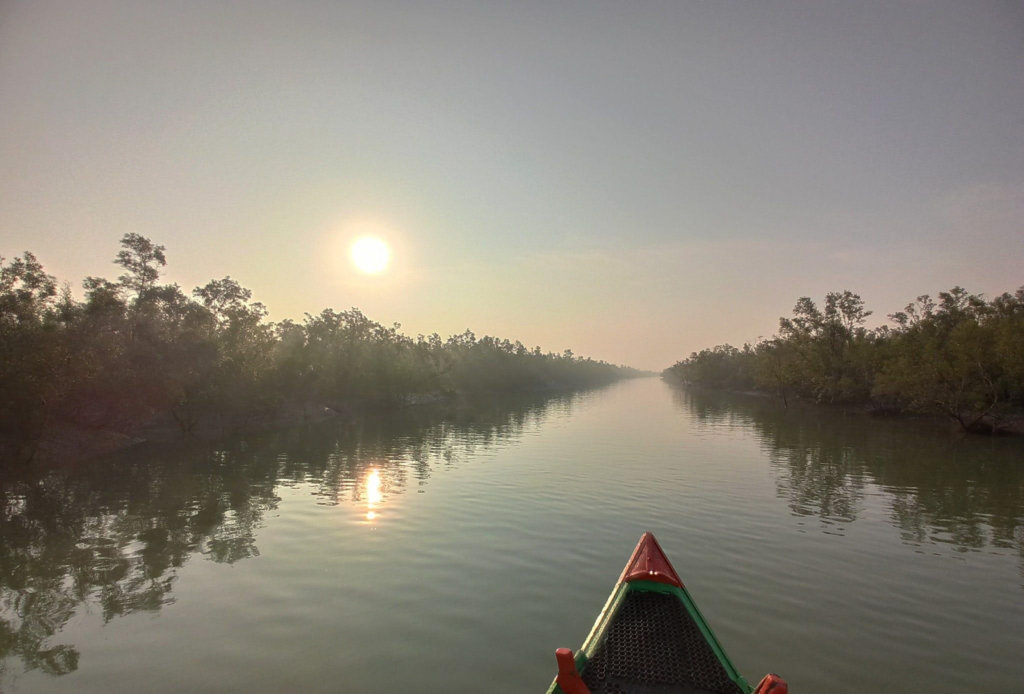
- Look at the shape of a creek.
- Notice where the mud has recently been exposed.
- Watch how birds occupy different parts of the shoreline.
- Compare a broad waterway with a narrow channel.
- Observe how distance changes the appearance of the mangrove forest.
The boat gives you a moving cross-section of the ecosystem. That perspective is one of the great strengths of exploring the Sundarbans.
January Photography: Work With Scale and Light
January is particularly suited to photographers who are interested in environmental storytelling.
The landscape provides subjects at several distances: a solitary bird on a mudflat, a boat against a distant forest edge, mangrove vegetation reflected in still water, or a narrow creek disappearing between islands.
Instead of waiting exclusively for a dramatic wildlife encounter, consider photographing relationships:
- a bird against a wide tidal landscape
- a boat dwarfed by mangrove forest
- exposed mud patterned by receding water
- winter birds feeding along a shoreline
- mangrove silhouettes in low-angle light
- distant wildlife framed by its habitat
For wildlife photographers, longer lenses remain useful.
For landscape photographers, wider compositions can show how small the individual elements are within the larger delta.
January therefore offers a good opportunity to photograph the Sundarbans as a place, rather than only photographing what lives there.
Things to Do in Sundarban in January
A January itinerary does not need to contain every possible Sundarbans attraction. The month lends itself particularly well to a few focused experiences.
1. Explore the winter waterways
Spend time travelling through creeks and larger channels, paying attention to changes in vegetation, water and exposed shoreline.
2. Go beyond casual birdwatching
If birds interest you, carry binoculars and learn to distinguish feeding areas, roosting surfaces and different shoreline habitats.
3. Watch the tidal margins
Mudflats and shallow edges can reveal activity that is invisible from the boat at other stages of the tide.
4. Photograph the landscape
Give winter light, water and mangrove geometry as much importance as wildlife.
5. Experience the forest at a slower pace
Leave enough room in the day for unexpected observations. A short encounter with a bird, deer or crocodile can be meaningful when it is understood in its surroundings.
Who Should Visit Sundarban in January?
January can suit several different kinds of travellers, although each will experience the month differently.
First-time visitors can use the established winter season to experience the waterways, mangrove forest and wildlife without making a single animal the entire purpose of the journey.
Birdwatchers have one of the clearest reasons to choose January: wintering waders and other migratory birds form an important seasonal component of the avifauna.
Photographers can work with winter light, birds, mudflats and wide environmental compositions.
Families may appreciate the cooler conditions for outdoor exploration, though early boat departures can feel cold for children and older travellers.
Couples and slow travellers may enjoy January for its quieter visual qualities and the opportunity to spend extended periods on the water.
Wildlife enthusiasts will find plenty to observe, provided expectations are based on the ecosystem as a whole rather than guaranteed sightings of particular species.
What to Carry for a January Sundarban Trip
The most useful packing choices are simple.
Bring:
- a light jacket or warm layer for early boat journeys
- breathable daytime clothing
- comfortable, secure footwear
- sunglasses and sunscreen
- insect repellent
- binoculars for birdwatching
- camera and lens protection
- a dry bag for phones and other valuables
- personal medicines and essential items
If birds or photography are a priority, keep your binoculars or camera accessible during boat journeys.
January’s conditions are generally manageable, but the combination of open water, early starts and changing weather means practical preparation is still worthwhile.
Planning Your January Visit
The Sundarbans is a protected ecosystem, so travel arrangements should be made with appropriate registered operators and boats.
The Sundarban Tiger Reserve states that tourists can enter the reserve only with booked registered boats and that boats entering the Tiger Reserve have ecotourism guides. Its official guidance also identifies Godkhali and Dhamakhali as access points for reaching the boat boarding areas.
Operational details can change, so current entry arrangements, routes and schedules should always be checked before travelling.
January also has a growing profile among specialist birdwatchers. The Sundarban Tiger Reserve’s fourth Bird Festival was held at Sajnekhali from 23 to 27 January 2026.
That event should not be treated as representative of an ordinary tourist trip, but it does underline the importance of the month within the region’s birding calendar.
The Wild Orbit Expert Advice
Read the shoreline before you read the bird.
In January, wintering birds can make the tidal margins especially rewarding, but the more useful skill is recognising why a bird has chosen a particular stretch of shoreline.
Look for shallow water, exposed mud, sandbars and recently uncovered feeding surfaces. Then watch how the birds respond as the water advances.
You do not need to identify every species to understand what is happening.
Once you begin connecting bird activity with the shape and condition of the shoreline, January’s Sundarbans becomes much easier to read.
That is a more valuable skill than simply adding another bird to a checklist.
January Through The Wild Orbit
The Wild Orbit approaches the Sundarbans as a living landscape rather than a collection of sightseeing stops.
January makes that philosophy especially relevant.
The winter season brings migratory birds into an ecosystem already shaped by tides, mangroves and wildlife. A meaningful expedition therefore looks beyond the headline species and pays attention to the relationships between water, habitat and life.
For The Wild Orbit, exploration means understanding those relationships while travelling through the landscape responsibly.
In January, that might mean stopping to understand a mudflat, identifying a winter visitor, studying a creek as the tide changes, or simply recognising why a particular stretch of forest looks different from the one behind it.
The destination becomes richer when the journey is built around what the ecosystem is actually doing.
FAQs
Is January a good time to visit Sundarban?
Yes. January is within the main October-to-mid-March travel season and offers a distinct winter experience, with cooler conditions and important winter bird activity. It is a particularly interesting month for birdwatchers, photographers and travellers who enjoy nature observation.
What is Sundarban like in January?
January is the heart of the winter character of the Sundarbans. Early mornings are cooler, wintering birds are present, and tidal mudflats, creeks and waterways become important parts of the seasonal experience.
What is the temperature in Sundarban in January?
The Department of Sundarban Affairs describes December-January temperatures in the Sundarban region as around 20°C, while broader West Bengal climate data identifies January as the coldest month. Conditions vary by location and individual weather events.
Is January good for birdwatching in the Sundarbans?
Yes. January falls within an important winter period for migratory waterbirds and waders. A systematic survey in January-February recorded 7,758 waders representing 32 species in the Indian Sundarbans.
Which birds can I see in Sundarban in January?
The winter bird community includes migratory waders and other seasonal visitors alongside resident birds. Species vary by habitat and year, so a specific sighting should never be guaranteed.
Is January good for photography in Sundarban?
Yes. January is useful for bird photography, environmental wildlife photography and landscapes featuring waterways, mudflats and mangroves.
Is a Sundarban boat safari worthwhile in January?
Yes. Boat travel is central to exploring the reserve, and January provides a particularly strong combination of winter conditions and active bird habitats. Entry into the Tiger Reserve is through registered boats under official regulations.
Can I see a Royal Bengal Tiger in January?
A tiger sighting is possible but never guaranteed. January should be approached as a season for experiencing the complete Sundarbans ecosystem rather than as a month promising a particular animal.
Is January suitable for families visiting Sundarban?
Generally, yes. Cooler seasonal conditions can make outdoor exploration comfortable, although families should prepare for chilly early mornings and potentially long periods on boats.
What should I wear in Sundarban in January?
Layered clothing works best. Carry a light jacket or warm layer for early morning boat travel and lighter breathable clothing for later in the day.
Does the tide affect a January trip?
Very much so. The Sundarbans is a tidal landscape, and water movement continually changes the appearance and availability of mudflats, creek edges and other intertidal habitats.
Are there birding events in Sundarban in January?
Yes. The Sundarban Tiger Reserve held its fourth Bird Festival at Sajnekhali from 23-27 January 2026. Travellers should check the reserve’s current announcements for future events and dates.
Why Experience Sundarban in January?
January does not need to compete with October, November, December or February to justify a visit.
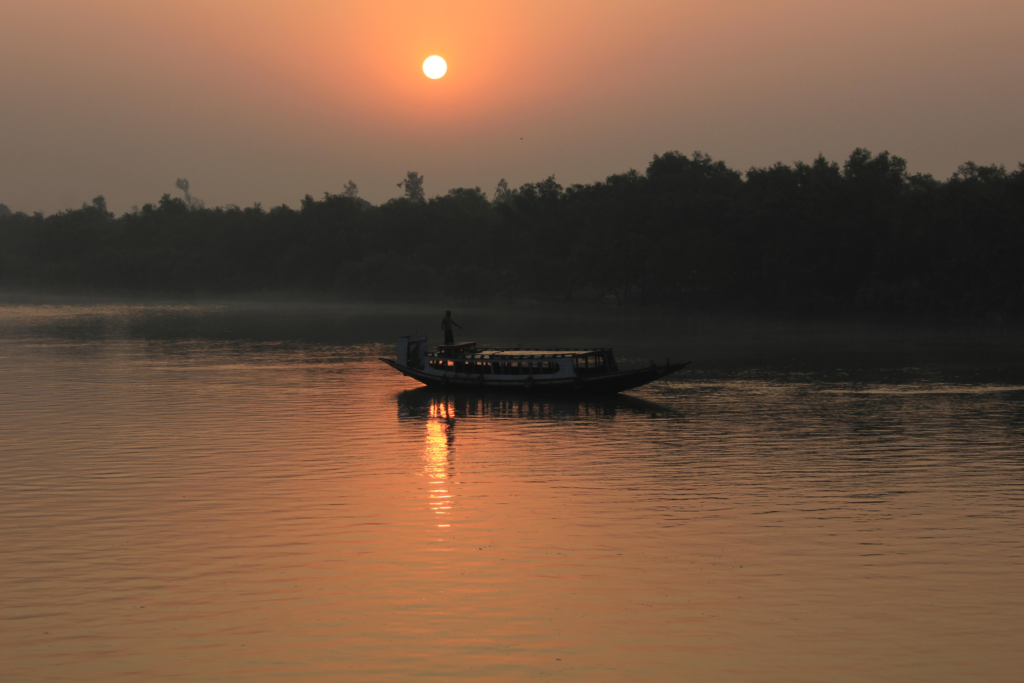
Its identity is already clear.
This is the period when winter has settled into the mangrove wilderness, when migratory birds add movement to tidal margins, and when the waterways provide a particularly rewarding way to understand the relationship between forest, mud and water.
For the traveller willing to notice those details, Sundarban in January is less about chasing a single spectacular moment and more about seeing how an entire winter ecosystem fits together.
And sometimes, that is the more memorable way to experience a wild place.
Plan your private Sundarban expedition
A private journey shaped around you — your group, your pace, your interests. Book a free consultation.