 Encyclopedia
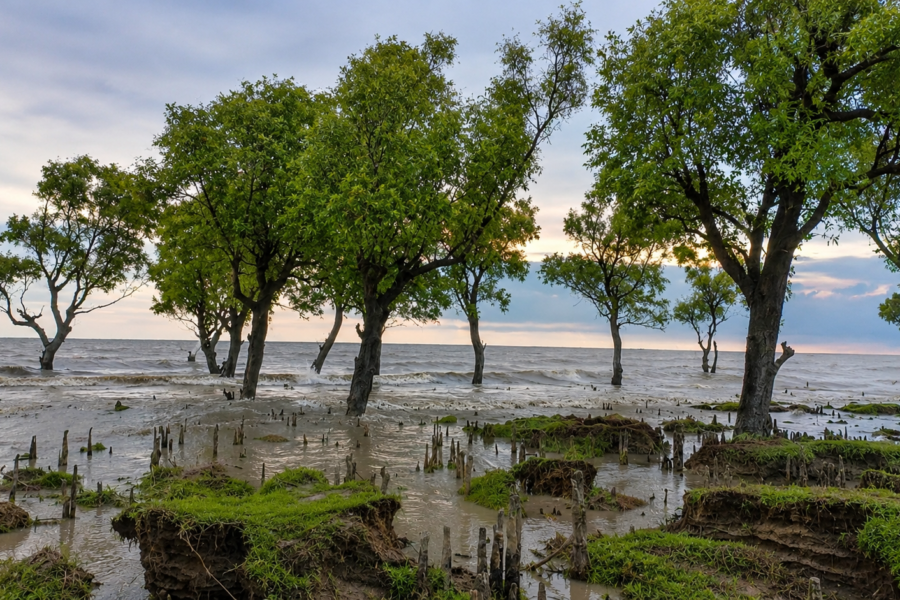
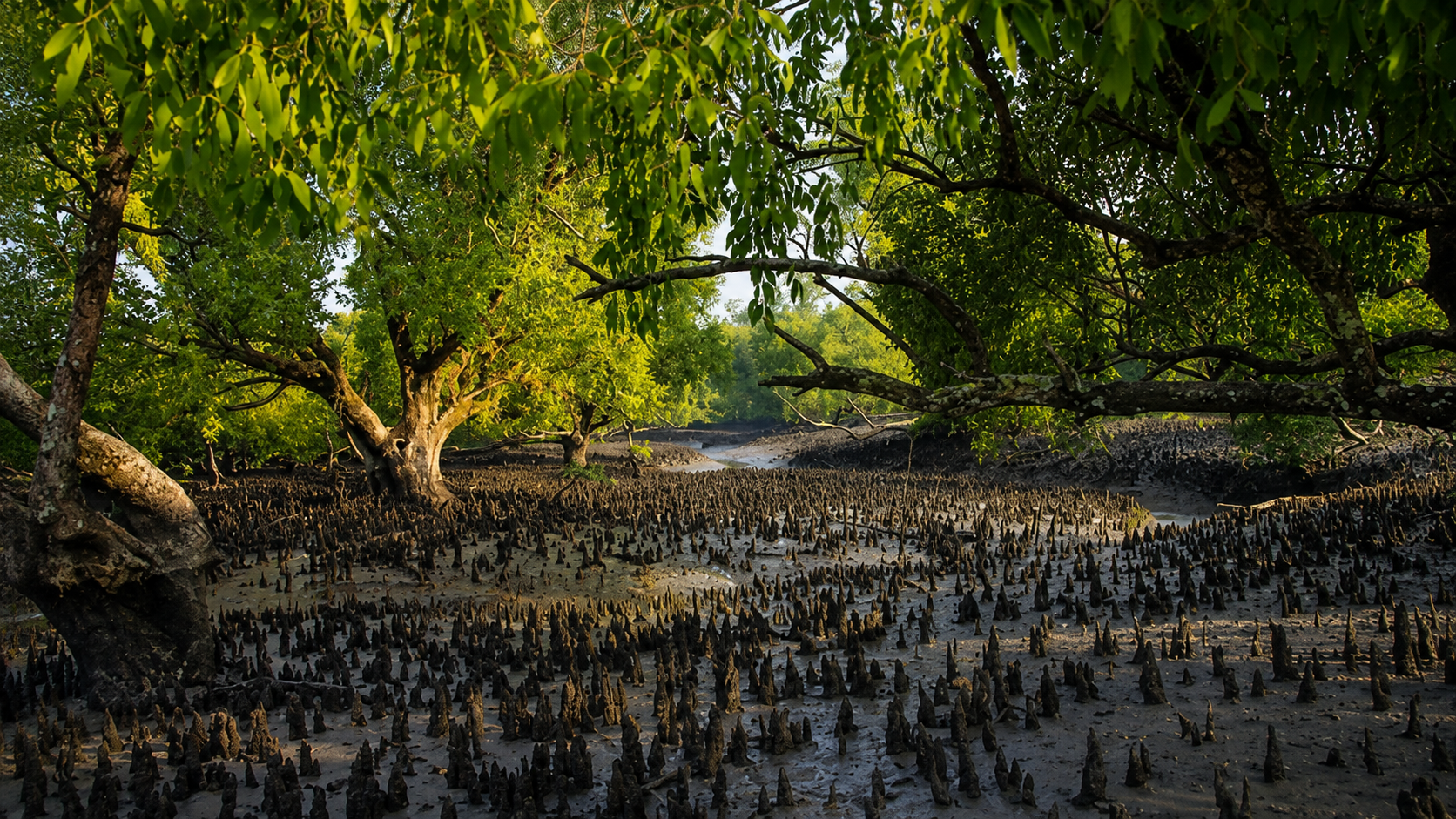
As the tide begins to ebb across the southern reaches of the Indian Sundarbans, vast mudflats emerge from beneath the opaque brown waters of the Bay of Bengal’s estuarine delta. Fiddler crabs scatter across the freshly exposed sediment, mudskippers wriggle between shallow tidal pools, and dense walls of mangroves rise from the shoreline, their breathing roots standing like thousands of natural spikes above the mud. The landscape appears quiet, yet every tidal cycle reshapes the island, redistributes sediment, and sustains one of India’s most remarkable coastal ecosystems. This is Lothian Island—a protected mangrove wilderness where land, river, and sea remain in constant dialogue.
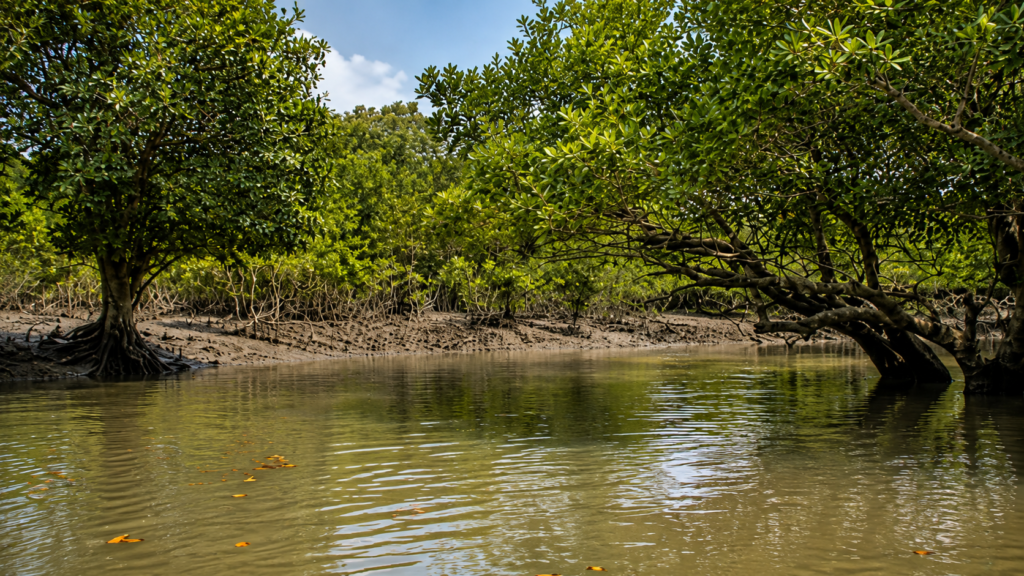
Situated in the southern part of the Indian Sundarbans within South 24 Parganas district of West Bengal, Lothian Island forms part of the world’s largest contiguous mangrove forest. Protected as the Lothian Island Wildlife Sanctuary, the island occupies a strategically important position near the transition between the tidal estuaries of the Sundarbans and the northern Bay of Bengal. Unlike the inhabited islands farther north that support agriculture and villages behind extensive embankments, Lothian Island remains almost entirely under natural mangrove vegetation, offering an invaluable refuge for wildlife and serving as a living laboratory for understanding deltaic ecology.
The island exemplifies the extraordinary dynamism of the Ganges–Brahmaputra–Meghna Delta. Its boundaries are not fixed but continually reshaped by tides, sediment deposition, erosion, cyclonic storms, and rising sea levels. Every creek, mudbank, and mangrove stand reflects the balance between freshwater flowing from the Himalayan river systems and saline water pushed inland twice each day by powerful tides. This perpetual interaction has created an ecosystem uniquely adapted to environmental change, where every plant and animal exhibits remarkable adaptations for survival.
Lothian Island is also ecologically significant because it represents one of the relatively undisturbed mangrove habitats within the Indian Sundarbans. Its forests provide breeding grounds for fish and crustaceans, nesting sites for numerous birds, shelter for reptiles, and habitat for mammals including the Spotted Deer (Axis axis). The surrounding tidal waters support a complex food web that extends beyond the sanctuary itself, contributing to the ecological productivity of the wider Sundarbans Biosphere Reserve.
Beyond its biodiversity, Lothian Island illustrates the broader environmental importance of mangrove ecosystems. Its forests stabilize newly deposited sediments, reduce shoreline erosion, buffer storm surges generated in the Bay of Bengal, store significant quantities of carbon, and filter nutrients moving through the estuarine environment. These ecosystem services benefit not only wildlife but also the millions of people living across the lower Bengal delta.
Lothian Island at a Glance
Location: Southern Indian Sundarbans, South 24 Parganas, West Bengal
Protected Area: Lothian Island Wildlife Sanctuary
Ecosystem: Tidal mangrove forest
Biogeographic Region: Lower Ganges–Brahmaputra–Meghna Delta
Administrative Authority: West Bengal Forest Department
Biosphere Status: Part of the Sundarbans Biosphere Reserve
UNESCO Context: Within the Indian Sundarbans landscape associated with the UNESCO World Heritage ecosystem
Dominant Habitat: Mangrove forest, tidal creeks, mudflats and estuarine wetlands
Primary Ecological Role: Wildlife habitat, coastal protection, fish nursery, carbon storage and sediment stabilization
Accessibility: Accessible only by licensed boats through designated waterways, subject to Forest Department regulations and prior permission.
Geographic Setting
Lothian Island occupies a strategically important position in the southern Indian Sundarbans, where the immense river systems of eastern India gradually merge into the northern Bay of Bengal. Unlike the embanked agricultural islands that characterize much of the inhabited Sundarbans, Lothian remains overwhelmingly natural, its shoreline defined by tidal channels rather than engineered embankments.
The island lies within an intricate network of estuarine waterways that form the final distributaries of the Ganges river system before reaching the sea. Here, freshwater arriving from upstream mixes with saline tidal water, creating one of the world’s most productive estuarine environments. This transition zone supports extraordinary biological diversity because organisms adapted to varying salinity levels coexist within a constantly changing environment.
Geographically, Lothian Island belongs to the active delta plain, one of the youngest landscapes on Earth. The island itself has developed through centuries of sediment deposition carried downstream by the Ganges, Brahmaputra, and Meghna river systems. Unlike ancient continental landscapes, the island continues to evolve, with shorelines advancing or retreating in response to tidal currents, cyclones, river discharge, and changing sediment supply.
Its location near the southern margin of the Sundarbans also places it within one of India’s most climate-sensitive coastal regions. Seasonal monsoon rainfall, tropical cyclones, tidal flooding, and gradual sea-level rise collectively influence the island’s physical and ecological character.
Because of its protected status and limited human disturbance, Lothian Island offers scientists and conservationists valuable opportunities to study relatively intact mangrove ecosystems and natural estuarine processes.
How to Reach Lothian Island
From Kolkata by Train
Travellers using public transport can travel south from Kolkata toward Namkhana, which is connected to the suburban railway network from Sealdah. West Bengal Tourism also lists Namkhana as the nearest railway station for the neighbouring Bakkhali region and confirms regular train connections from Sealdah via Lakshmikantapur and Kakdwip.
After reaching Namkhana, the journey toward Lothian Island must continue by boat because the sanctuary is surrounded by tidal waterways and has no road connection.
Simple route: Kolkata → Sealdah Railway Station → Namkhana → Boat journey toward Lothian Island Wildlife Sanctuary
From Kolkata by Road
Visitors travelling by private car or hired vehicle can drive from Kolkata toward Namkhana through the southern part of South 24 Parganas. West Bengal Tourism confirms road connectivity from Kolkata to Namkhana and identifies the town as one of the river-access points for this part of the Sundarbans.
Once at Namkhana, visitors need to arrange appropriate river transport for the onward journey toward the sanctuary.
Simple route: Kolkata → Namkhana → Boat journey toward Lothian Island Wildlife Sanctuary
From Kolkata Airport
The nearest major airport is Netaji Subhas Chandra Bose International Airport. Visitors arriving by air should first travel by road toward Namkhana or another appropriate southern Sundarbans river gateway and then continue by boat. West Bengal Tourism likewise describes reaching Lothian Island Wildlife Sanctuary from Kolkata airport as an overland journey followed by a boat ride.
The Final Journey Is by Boat
This is the most important point for visitors to understand: Lothian Island cannot be reached entirely by car, bus or train. The final approach is through the tidal waterways of the Sundarbans.
A boat journey takes visitors away from the inhabited delta and into a progressively more natural estuarine landscape. Settlements and agricultural land gradually give way to broad tidal channels, exposed mudbanks and continuous mangrove vegetation.
Because tides strongly influence navigation in the Sundarbans, boat routes and journey conditions can vary with water levels, weather and local regulations.
Quick Route Summary
By train: Kolkata (Sealdah) → Namkhana → Boat toward Lothian Island
By road: Kolkata → Namkhana → Boat toward Lothian Island
By air: Kolkata Airport → Namkhana by road → Boat toward Lothian Island
Nearest practical gateway: Namkhana
Final transport: Boat
Rivers Flowing Beside Lothian Island
The island is surrounded by an intricate network of tidal waterways that connect with the larger estuarine system of the southern Sundarbans. Major surrounding rivers and channels include:
- Saptamukhi River
- Curzon Creek
- Multiple unnamed tidal creeks connected to the estuarine network
- Southern tidal channels opening toward the Bay of Bengal
These waterways experience strong semidiurnal tides, causing water levels to rise and fall twice each day while continually transporting sediment, nutrients, plankton, fish larvae and organic matter throughout the ecosystem.
Nearby Forest Blocks
The protected landscape surrounding Lothian Island forms part of a larger mosaic of reserved forests and wildlife habitats within the Indian Sundarbans.
Nearby protected forest regions include:
- Lothian Island Wildlife Sanctuary
- Halliday Island Wildlife Sanctuary
- Reserve Forests of the southern Sundarbans
- Core mangrove forests of the Sundarbans Tiger Reserve (regional landscape)
Together these protected areas maintain ecological connectivity for wildlife moving across the estuarine landscape.
Nearby Inhabited Islands and Human Settlements
Although Lothian Island itself remains largely uninhabited and protected, several inhabited islands occur within the wider southern Sundarbans landscape.
Nearby settlements include:
- Fraserganj
- Bakkhali
- Mousuni Island region
- Namkhana
- Sagar Island (regional context)
These communities depend heavily upon the surrounding estuarine ecosystem for fisheries, transport, tourism, and coastal protection.
Landscape Character
As daylight spreads across Lothian Island, the first impression is not one of towering forests but of remarkable openness. Broad tidal rivers surround the island, their opaque brown waters reflecting the changing sky, while dense mangrove forests occupy almost every piece of stable ground beyond the muddy shoreline. There are no permanent villages, cultivated fields, roads or artificial embankments interrupting the landscape. Instead, the island presents one of the few remaining examples of an almost entirely natural estuarine environment within the Indian Sundarbans.
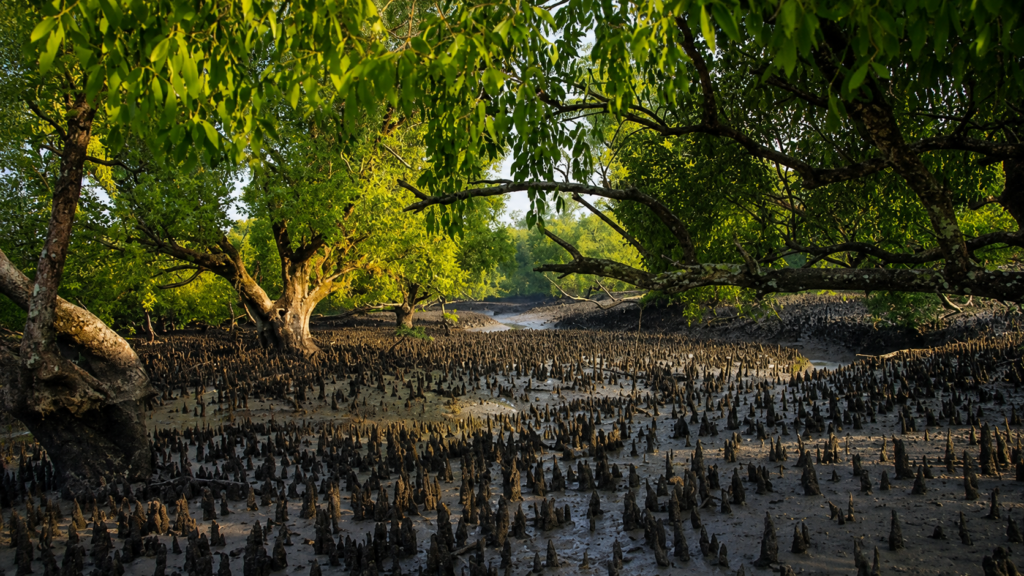
Unlike inland forests where the terrain changes gradually, the landscape of Lothian Island is defined by elevation differences measured in only a few centimetres. Yet these subtle variations determine which mangrove species can survive, how frequently an area floods, and where wildlife concentrates during different tidal stages. The forest floor is therefore a mosaic of microhabitats created by tidal inundation, soil salinity, sediment deposition and freshwater availability.
The shoreline rarely forms straight lines. Instead, winding creek mouths, gently curving mudflats and densely vegetated banks create an intricate coastal outline that changes gradually over time. Some sections experience sediment accumulation, allowing young mangroves to establish themselves, while others are slowly eroded by tidal currents and seasonal storms. This continual reshaping gives the island an appearance of permanence while concealing an underlying landscape in constant transition.
Mudflats represent one of the island’s most productive habitats. Although they appear barren immediately after the tide recedes, they quickly become active feeding grounds for crabs, molluscs, mudskippers and numerous wading birds. These exposed sediments support complex microbial communities that recycle nutrients and provide the foundation for higher levels of the food web.
Further inland, the mangrove canopy creates a cooler and more sheltered environment. Light filters through dense foliage, while countless aerial roots rise above the saturated soil. During high tide, these forests become partially submerged, allowing fish, prawns and juvenile aquatic organisms to move deep into the woodland before retreating with the falling water.
The absence of large-scale human modification allows natural ecological processes to operate with minimal disturbance. Fallen branches decompose where they fall, dead trees gradually become habitat for fungi and insects, and sediment accumulates naturally beneath mature mangrove stands. Such uninterrupted ecological succession contributes significantly to the island’s long-term resilience.
Rivers and Water Systems
Water shapes every aspect of Lothian Island. The island exists not as an isolated landmass but as one component of an extensive network of estuarine rivers, tidal channels and creeks that connect the lower Ganges delta with the Bay of Bengal.
Unlike conventional rivers that flow predominantly in one direction, the waterways surrounding Lothian Island experience bidirectional movement driven largely by tides. Approximately every six hours, seawater advances inland during flood tide before reversing direction during ebb tide. This semidiurnal rhythm governs sediment transport, nutrient exchange, fish migration and mangrove ecology.
The principal surrounding waterways remain navigable throughout much of the year and serve as ecological corridors linking adjacent protected forests and wildlife habitats. Numerous smaller creeks branch from these larger channels, penetrating deep into the mangrove interior. These creeks vary considerably in width, depth and tidal influence, creating diverse aquatic habitats.
During the southwest monsoon, increased freshwater discharge temporarily reduces salinity in many parts of the estuary. Conversely, during the dry season, tidal seawater penetrates further inland, increasing salinity throughout the surrounding waterways. Mangrove species, aquatic organisms and estuarine wildlife have evolved remarkable physiological adaptations to cope with these seasonal fluctuations.
Sediment transport remains one of the most significant hydrological processes affecting Lothian Island. Fine silts carried downstream from the Himalayan river systems are redistributed by tidal currents before settling across mudflats, creek margins and mangrove forests. Over decades, these deposits influence shoreline stability, creek formation and island morphology.
The waterways also function as biological highways. Fish larvae, shrimp post-larvae, crabs and numerous planktonic organisms are transported with each tidal cycle, connecting marine and freshwater ecosystems. This continuous exchange helps maintain the exceptional productivity for which the Sundarbans estuary is internationally recognized.
The Mangrove Ecosystem
Lothian Island lies within one of the most biologically significant mangrove ecosystems on Earth. Mangroves occupy the narrow ecological boundary where terrestrial and marine environments overlap, thriving in conditions that would be lethal to most other plants.
Unlike conventional forests, mangrove ecosystems are defined by their relationship with tides. Their vegetation grows in saline or brackish water, experiences regular flooding, and develops remarkable structural adaptations that allow survival in oxygen-poor soils.
The mangrove forest of Lothian Island performs numerous ecological functions simultaneously. It stabilizes shorelines by trapping sediment, reduces coastal erosion, attenuates storm surges, stores large quantities of carbon, supports fisheries, filters nutrients and pollutants, and provides habitat for hundreds of animal species.
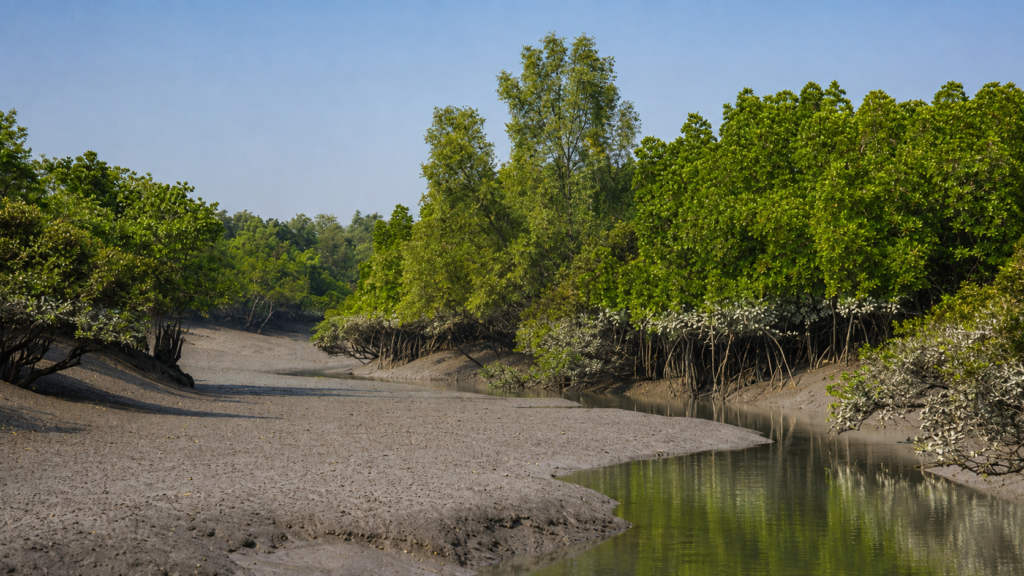
The forest also represents one of nature’s most efficient biological engineering systems. Root networks reduce water velocity during incoming tides, causing suspended sediments to settle naturally. Over decades, this process contributes to land formation while simultaneously strengthening the resilience of existing shorelines.
Within the forest, ecological interactions occur continuously. Flowers provide nectar for insects, leaves become food for detritivores after falling into tidal water, crabs recycle organic material through burrowing activity, fungi accelerate decomposition, and microorganisms convert nutrients into forms usable by plants. Every component contributes to maintaining the productivity of the wider estuarine ecosystem.
Major Mangrove Species
The mangrove vegetation of Lothian Island comprises a diverse assemblage of salt-tolerant trees and shrubs adapted to varying degrees of tidal inundation and salinity.
Sundari (Heritiera fomes)
The Sundari tree has long been regarded as one of the defining species of the Sundarbans and is widely believed to have contributed to the region’s name. It thrives in areas where salinity remains relatively moderate and plays an important role in maintaining forest structure.
Gewa (Excoecaria agallocha)
Often occupying intermediate tidal zones, Gewa is among the most widespread mangrove species in the Indian Sundarbans. Its dense stands provide habitat for birds and small mammals while contributing significantly to nutrient cycling.
Keora (Sonneratia apetala)
A pioneer species, Keora frequently colonizes newly deposited mudbanks. Its rapid growth helps stabilize young sediments and creates conditions suitable for the establishment of additional mangrove species.
Avicennia Species
Several members of the genus Avicennia occur throughout the Sundarbans. Their distinctive pencil-like pneumatophores project vertically above the mud, allowing oxygen uptake despite waterlogged soils. These species tolerate relatively high salinity and often dominate exposed coastal margins.
Goran (Ceriops decandra)
Goran commonly occupies slightly elevated ground within the mangrove forest. Its dense growth contributes to habitat complexity and provides shelter for numerous smaller organisms.
Dhundul (Xylocarpus granatum)
Recognizable by its large spherical fruits, Dhundul occupies relatively stable areas of mature mangrove forest and contributes to structural diversity.
Passur (Xylocarpus mekongensis), Baen (Avicennia officinalis), Kankra (Bruguiera gymnorhiza), and several other mangrove associates further enrich the botanical diversity of the island, each occupying ecological niches defined by flooding frequency, soil composition and salinity.
Soil, Sediment and Nutrient Cycling
The substrate beneath Lothian Island consists primarily of fine alluvial silts and clays transported from the Himalayan catchment by the Ganges river system. These sediments are continually redistributed through tidal action, creating fertile but highly dynamic soils.
Mangrove litter plays a central role in nutrient cycling. Leaves, twigs and branches falling onto the forest floor gradually decompose through the combined action of fungi, bacteria and detritivorous invertebrates. The resulting organic matter enriches the sediment and supports microorganisms that form the foundation of the estuarine food web.
Crabs further enhance nutrient cycling through their burrowing activities. By mixing sediments and transporting organic material below the surface, they improve soil aeration and accelerate decomposition processes.
Although mangrove soils often appear lifeless, they support extraordinarily diverse microbial communities responsible for recycling nitrogen, phosphorus and other essential nutrients. These microscopic organisms underpin the productivity of the entire ecosystem.
Salinity and Environmental Adaptation
One of the defining ecological characteristics of Lothian Island is its variable salinity. Salt concentrations fluctuate seasonally according to freshwater inflow, rainfall, evaporation and tidal exchange with the Bay of Bengal.
Mangrove plants possess remarkable adaptations that enable survival under these challenging conditions. Some species exclude salt at their roots, others excrete excess salt through specialized leaf glands, while several store salt within older leaves that are later shed from the tree.
Many aquatic organisms also exhibit physiological tolerance to changing salinity levels, allowing them to exploit habitats that would exclude less adaptable species. This ecological flexibility contributes significantly to the resilience of the Sundarbans ecosystem.
Climate
Lothian Island experiences a tropical monsoon climate characterized by high humidity throughout the year, distinct wet and dry seasons, and strong maritime influence from the Bay of Bengal.
Summer months are typically hot and humid, with temperatures frequently exceeding 30°C. The southwest monsoon brings the majority of annual rainfall, replenishing freshwater supplies, reducing estuarine salinity and supporting vigorous plant growth.
Winter is comparatively mild and dry, with cooler temperatures and reduced humidity creating favourable conditions for migratory birds and improved visibility within the mangrove forests.
The island also lies within one of the world’s most cyclone-prone coastal regions. Tropical cyclones periodically reshape shorelines, alter creek systems, damage vegetation and redistribute sediments. Although these events can cause severe short-term disturbance, mangrove ecosystems have evolved alongside such natural processes and often display remarkable long-term resilience.
Documentary Observation
As evening approaches, the falling tide reveals an intricate landscape hidden beneath the day’s high water. Mangrove roots emerge slowly from the receding estuary, their dark silhouettes stretching across glistening mud. Small fish retreat through narrowing creeks while fiddler crabs reclaim the exposed shoreline. Overhead, the calls of herons and egrets echo across the forest edge as the mangrove canopy settles into the quiet rhythm that has governed Lothian Island for countless tidal cycles.
Wildlife of Lothian Island
As the first light of dawn filters through the mangrove canopy, Lothian Island begins to reveal the extraordinary diversity that remains hidden for much of the day. Fresh hoofprints appear on the soft mud beside tidal creeks, kingfishers perch silently above still water waiting for fish, mudskippers patrol exposed flats, while the distant call of an egret echoes across the forest. Every tidal cycle brings a new sequence of wildlife activity, making the island one of the most biologically productive habitats within the Indian Sundarbans.
Although considerably smaller than many of the larger forest blocks of the Sundarbans Tiger Reserve, Lothian Island supports an impressive range of mammals, birds, reptiles, fish, crustaceans and invertebrates. Its uninterrupted mangrove forest, tidal waterways and mudflats provide food, shelter and breeding grounds for countless species that together form an exceptionally complex estuarine ecosystem.
Rather than being dominated by a single charismatic species, the ecological importance of Lothian Island lies in the intricate relationships between predators, prey, plants, decomposers and tidal processes. Every organism, from microscopic plankton to large mammals, contributes to maintaining the ecological balance of the island.
Mammals
Spotted Deer (Axis axis)
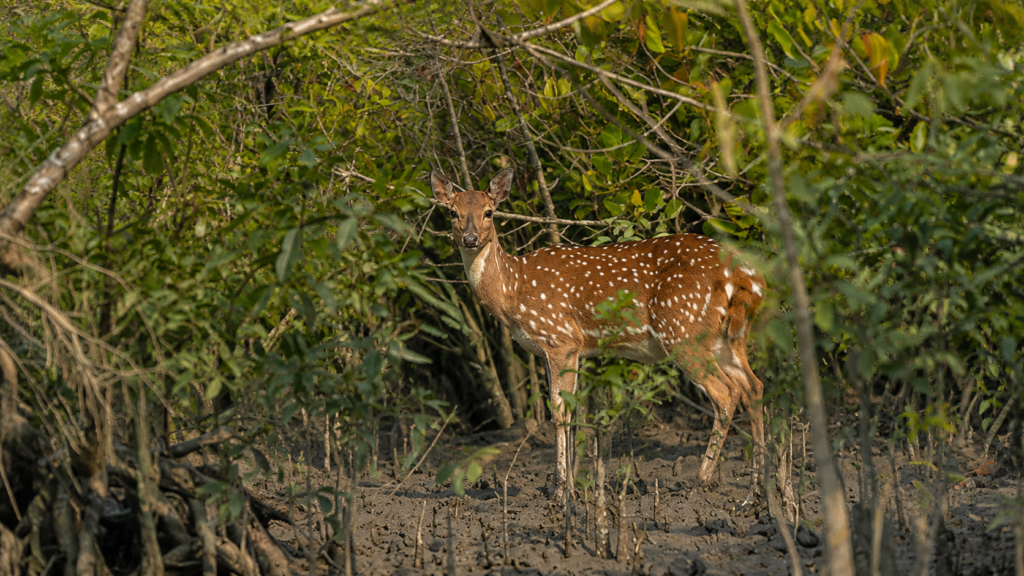
The Spotted Deer is among the most commonly observed large mammals inhabiting Lothian Island. Small herds move cautiously through the mangrove forest, particularly during low tide when newly exposed vegetation becomes accessible.
These herbivores browse on mangrove leaves, grasses, young shoots and fallen fruits. Their constant movement through the forest helps disperse seeds and influences vegetation dynamics. They also represent one of the principal prey species for the Royal Bengal Tiger across the Sundarbans landscape.
During cooler morning hours, deer often gather along creek margins where visibility is greater and fresh vegetation is abundant. Their acute hearing and constant vigilance reflect the ever-present risk of predation.
Wild Boar (Sus scrofa)
Wild Boars are highly adaptable omnivores that thrive within the tidal forests of Lothian Island. Their powerful snouts allow them to dig through soft sediments in search of roots, crabs, molluscs, insects and fallen fruits.
By disturbing the soil during feeding, Wild Boars contribute to nutrient mixing and seed germination. Although this behaviour may appear destructive on a small scale, it forms part of the natural ecological processes shaping mangrove forest regeneration.
Fishing Cat (Prionailurus viverrinus)
One of the most elusive predators of the Sundarbans, the Fishing Cat is exceptionally well adapted to wetland habitats. Unlike most cats, it readily enters shallow water while hunting fish, crabs, frogs and aquatic invertebrates.
Its partially webbed feet, dense waterproof fur and excellent swimming ability allow it to exploit ecological niches unavailable to many other carnivores.
Because Fishing Cats are primarily nocturnal and highly secretive, direct observations on Lothian Island remain uncommon. Nevertheless, their presence indicates the health of the island’s estuarine ecosystem.
Smooth-coated Otter (Lutrogale perspicillata)
Occasionally observed within the surrounding tidal waterways, Smooth-coated Otters occupy an important position among aquatic predators.
Living in highly social family groups, they hunt cooperatively for fish and crustaceans, demonstrating remarkable coordination and communication. Their continued survival depends upon clean waterways, healthy fish populations and relatively undisturbed creek systems.
Royal Bengal Tiger (Panthera tigris tigris)
See it for yourself
A private journey shaped around you — your group, your pace, your interests. Book a free consultation.
Lothian Island forms part of the wider landscape of the Indian Sundarbans, the only mangrove forest in the world that supports a naturally adapted population of Royal Bengal Tigers.
Although tiger encounters on Lothian Island itself are infrequent compared with core tiger habitats elsewhere in the Sundarbans, the island contributes to the ecological connectivity of the broader landscape. Tigers are capable swimmers and frequently cross tidal rivers while moving between forest blocks in search of prey or territory.
Their presence, even if occasional, reflects the importance of maintaining contiguous protected mangrove habitats throughout the Sundarbans ecosystem.
Birds of Lothian Island
Birdlife represents one of the island’s richest biological assets. The combination of mangrove forest, mudflats, estuarine rivers and tidal creeks provides habitat for resident, migratory and wintering species.
The diversity of feeding habitats allows insectivores, piscivores, waders, raptors and nectar-feeding birds to coexist within a relatively compact landscape.
Kingfishers
Several kingfisher species occur within the Sundarbans, frequently observed perched above tidal creeks waiting patiently for fish.
Common representatives include:
- Brown-winged Kingfisher
- Black-capped Kingfisher
- White-throated Kingfisher
- Collared Kingfisher
- Common Kingfisher
Their presence reflects the abundance of small fish inhabiting the tidal waterways.
Herons and Egrets
Mudflats exposed during low tide become important feeding grounds for numerous wading birds including:
- Great Egret
- Intermediate Egret
- Little Egret
- Grey Heron
- Purple Heron
- Pond Heron
These birds hunt fish, crustaceans, molluscs and amphibians in shallow tidal pools.
Raptors
Birds of prey play an essential role in regulating populations of fish, reptiles and smaller birds.
Species recorded within the wider Sundarbans landscape include:
- Brahminy Kite
- White-bellied Sea Eagle
- Osprey (winter visitor)
Their broad soaring flights above tidal rivers are a characteristic feature of the estuarine skyline.
Shorebirds
During winter migration, mudflats surrounding Lothian Island support numerous migratory shorebirds including:
- Sandpipers
- Redshanks
- Greenshanks
- Plovers
- Curlews
- Whimbrels
These species depend upon the rich invertebrate communities living within estuarine sediments.
Reptiles
Saltwater Crocodile (Crocodylus porosus)
The Saltwater Crocodile represents the largest reptile inhabiting the Indian Sundarbans.
Occupying tidal rivers and larger creeks, this apex predator feeds opportunistically on fish, birds and mammals.
Although naturally wary of human activity, crocodiles require extensive undisturbed waterways for breeding and basking.
Water Monitor (Varanus salvator)
The Water Monitor is among the most conspicuous reptiles within mangrove habitats.
An accomplished swimmer and scavenger, it feeds upon fish, crabs, bird eggs, carrion and small vertebrates.
Its adaptability allows it to exploit numerous ecological niches throughout the estuary.
Snakes
The mangrove forests also support several snake species adapted to wetland environments, including both venomous and non-venomous species.
Many remain secretive, spending much of their lives beneath vegetation or within burrows created by crabs.
Fish and Aquatic Biodiversity
The tidal waters surrounding Lothian Island function as nursery grounds for numerous commercially and ecologically important fish species.
Juvenile fish utilize flooded mangrove forests as sheltered feeding areas before moving into larger estuarine channels.
Common groups include:
- Mullets
- Catfish
- Gobies
- Glassfish
- Sea bass
- Milkfish
These fish support larger predators while also sustaining fisheries throughout the wider Sundarbans region.
Crustaceans and Molluscs
Among the most abundant inhabitants of the island are crustaceans.
Important groups include:
- Fiddler Crabs
- Mud Crabs
- Mangrove Crabs
- Prawns
- Shrimps
These organisms recycle organic matter, aerate sediments and provide essential prey for fish, birds and mammals.
Mud snails, oysters and estuarine molluscs further enrich the productivity of the ecosystem.
Insects and Pollinators
Although often overlooked, insects form the foundation of terrestrial biodiversity on Lothian Island.
Butterflies, bees, wasps, beetles, dragonflies and numerous flies pollinate flowers, recycle nutrients and serve as food for birds, reptiles and amphibians.
Mosquitoes, despite their reputation, also contribute to wetland food webs by providing prey for fish and insectivorous birds.
Ecological Importance
Lothian Island performs ecological functions that extend far beyond its physical boundaries.
The mangrove forests stabilize newly deposited sediments, reducing shoreline erosion and enabling continued land formation. Their dense root systems trap suspended particles carried by tides, gradually building and strengthening coastal habitats.
These forests also serve as highly productive nursery grounds for marine organisms. Many fish and crustacean species spend their juvenile stages among submerged mangrove roots where protection from predators is greater and food is abundant.
The island supports nutrient cycling on an immense scale. Fallen leaves become detritus that feeds microorganisms, crabs and aquatic invertebrates, forming the energetic foundation of the estuarine food web.
Mangrove vegetation additionally stores significant quantities of carbon within both living biomass and waterlogged soils. This “blue carbon” plays an increasingly recognized role in mitigating global climate change.
Perhaps most importantly, Lothian Island contributes to the ecological connectivity of the southern Sundarbans. Together with neighbouring protected forests, it provides continuous habitat for wildlife movement, genetic exchange and long-term ecosystem resilience.
Conservation Significance
Lothian Island occupies a vital position within the protected landscapes of the Indian Sundarbans. Although smaller than many of the surrounding forest blocks, its ecological value extends well beyond its physical boundaries. The island forms part of a larger network of mangrove habitats that collectively sustain one of the world’s most productive estuarine ecosystems.
Recognizing its ecological importance, the Government of West Bengal declared the island as the Lothian Island Wildlife Sanctuary to safeguard its mangrove forests, tidal wetlands and wildlife. The sanctuary contributes to the broader conservation objectives of the Sundarbans Biosphere Reserve, helping maintain habitat connectivity across the southern delta.
Unlike inhabited islands where agriculture, settlements and embankments have altered the natural landscape, Lothian Island remains largely free from permanent human habitation. This allows ecological processes such as tidal flooding, sediment deposition, forest regeneration and wildlife movement to continue with relatively little disturbance.
The island also functions as an important buffer within the larger Sundarbans ecosystem. Mangrove vegetation protects fragile shorelines from erosion, reduces the force of storm surges, and stabilizes newly deposited sediments. These natural services contribute not only to biodiversity conservation but also to the long-term resilience of the delta against climate change.
Another major conservation role of Lothian Island lies beneath the surface. Mangrove soils store significant quantities of organic carbon, often referred to as blue carbon, making these forests among the most efficient natural carbon sinks on Earth. Protecting mangroves therefore contributes directly to climate-change mitigation while preserving biodiversity.
Current Conservation Challenges of Lothian Island
Although protected, Lothian Island is not immune to environmental pressures affecting the wider Sundarbans.
Climate Change
Gradual sea-level rise threatens low-lying mangrove habitats throughout the delta. Changes in tidal inundation patterns may alter species composition and increase shoreline erosion in vulnerable areas.
Cyclones
The Bay of Bengal is one of the world’s most cyclone-prone regions. Severe cyclonic storms periodically damage mangrove vegetation, reshape creek systems and accelerate coastal erosion. While mangrove forests have evolved alongside such disturbances, increasingly intense storms pose additional challenges.
Salinity Changes
Variations in freshwater inflow and changing hydrological conditions influence soil and water salinity. Some mangrove species tolerate these changes better than others, potentially altering forest composition over time.
Sediment Dynamics
The balance between sediment deposition and erosion determines whether parts of the island expand or shrink. Human activities affecting upstream river systems can influence sediment supply reaching the lower delta.
Marine Pollution
Plastic debris, discarded fishing gear and other pollutants transported by rivers or tides occasionally reach remote mangrove habitats, posing risks to wildlife and degrading sensitive ecosystems.
Human Disturbance
Although permanent settlements are absent, illegal fishing, unauthorized resource extraction and occasional disturbance to wildlife remain conservation concerns requiring continued monitoring and enforcement.
Scientific Importance
Lothian Island serves as a valuable natural laboratory for studying estuarine ecology and mangrove dynamics.
Researchers investigate a wide range of ecological processes, including:
- Mangrove succession on newly deposited sediments.
- Coastal geomorphology and shoreline evolution.
- Tidal hydrology and sediment transport.
- Carbon sequestration in mangrove ecosystems.
- Wildlife habitat use and biodiversity.
- Climate-change impacts on coastal wetlands.
- Salt tolerance and physiological adaptations of mangrove species.
- Estuarine food-web dynamics.
Because the island remains relatively undisturbed, it provides important baseline information for understanding how natural mangrove ecosystems function in the absence of extensive human modification.
Visitor Information
Lothian Island is not a conventional tourist destination. Its protected status means that conservation remains the primary objective, and visitor access is regulated by the West Bengal Forest Department.
Those interested in observing the sanctuary generally do so as part of authorized boat-based excursions through the southern Sundarbans. Depending on prevailing regulations, permissions and weather conditions, visitors may view the island and its surrounding waterways while maintaining appropriate distances from sensitive wildlife habitats.
Best Time to Visit
The most favourable period generally extends from November to February, when temperatures are relatively comfortable, humidity is lower and visibility improves. Winter also coincides with the arrival of several migratory bird species, enhancing birdwatching opportunities.
The southwest monsoon transforms the landscape with lush vegetation and abundant freshwater, but heavy rainfall, strong currents and rough weather may restrict travel.
Responsible Wildlife Observation
Visitors should always follow responsible ecotourism principles:
- Maintain a safe distance from wildlife.
- Avoid loud noises and sudden movements.
- Never feed wild animals.
- Do not collect plants, shells or other natural materials.
- Dispose of waste responsibly.
- Respect all instructions issued by forest authorities.
- Support conservation by minimizing environmental impact.
The objective of visiting protected mangrove landscapes should be to observe nature without altering it.
Seasonal Character
Winter (November–February)
Winter offers comparatively cool temperatures and clearer skies. Migratory birds arrive from northern breeding grounds, making this one of the most rewarding periods for birdwatching. Lower humidity also improves visibility across the estuarine landscape.
Summer (March–May)
Temperatures rise considerably, often exceeding 30°C. Evaporation increases surface salinity in some areas, and wildlife activity becomes concentrated during cooler morning and evening hours.
Southwest Monsoon (June–September)
Heavy rainfall transforms the island. Freshwater input temporarily reduces salinity while vigorous plant growth renews the mangrove canopy. Strong currents and high tides characterize this season.
Post-Monsoon (October)
As rainfall declines, the estuarine ecosystem enters a transitional phase. Improved weather conditions and renewed tidal productivity create favourable conditions for both wildlife and vegetation.
The Wild Orbit’s Interesting Facts About Lothian Island
- Lothian Island is protected as a wildlife sanctuary within the Indian Sundarbans.
- The island remains largely uninhabited, allowing natural ecological processes to continue with minimal human interference.
- It forms part of the world’s largest contiguous mangrove ecosystem.
- Every tidal cycle reshapes portions of the surrounding mudflats and creek margins.
- Mangrove roots act as natural sediment traps, gradually helping build and stabilize the island.
- The surrounding estuarine waters function as nursery grounds for numerous fish and crustacean species.
- The island contributes to the ecological connectivity of the wider Sundarbans Biosphere Reserve.
- Mangrove forests on Lothian Island store significant quantities of blue carbon, supporting global climate regulation.
- Shorebirds, kingfishers, herons and raptors all utilize different habitats within the island during various tidal stages.
- The landscape illustrates how rivers, tides and mangroves continually interact to shape one of Earth’s youngest and most dynamic coastal environments.
FAQs
Where is Lothian Island located?
Lothian Island lies in the southern Indian Sundarbans in South 24 Parganas district of West Bengal.
Is Lothian Island inhabited?
No. The island is largely uninhabited and protected as a wildlife sanctuary.
Why is Lothian Island important?
It conserves mangrove forests, supports biodiversity, stabilizes coastlines, stores carbon and forms part of the larger Sundarbans ecosystem.
Can visitors enter the island?
Access is regulated by the West Bengal Forest Department, and visits are generally limited to authorized activities in accordance with conservation regulations.
What animals live on Lothian Island?
The island supports Spotted Deer, Wild Boar, Fishing Cat, numerous birds, reptiles, fish, crustaceans and a wide range of estuarine wildlife. It also contributes to the broader habitat network of the Royal Bengal Tiger.
What type of forest occurs on the island?
Lothian Island supports tropical tidal mangrove forests adapted to saline and brackish estuarine conditions.
Which season is best for visiting?
Winter, from November to February, generally provides the most favourable weather and birdwatching opportunities.
Why are mangroves important?
Mangroves protect coastlines, trap sediments, support fisheries, provide wildlife habitat, improve water quality and store significant amounts of carbon.
A Living Mangrove Wilderness
As the final tide of the day retreats toward the Bay of Bengal, Lothian Island returns to a quiet rhythm shaped entirely by nature. Mangrove roots emerge once more from the glistening mud, fiddler crabs resume their activity across newly exposed flats, and the evening calls of herons drift through the forest canopy. Nothing within this landscape remains static. Rivers alter their courses, sediments accumulate and erode, forests regenerate, and wildlife responds to the timeless pulse of the tides.
Lothian Island is more than a protected island within the Indian Sundarbans. It is a living expression of how land, water and life coexist in one of the world’s most dynamic coastal ecosystems. Every mangrove tree, tidal creek and mudflat contributes to ecological processes that extend far beyond the island itself, supporting biodiversity, strengthening coastlines and sustaining the health of the greater Sundarbans.
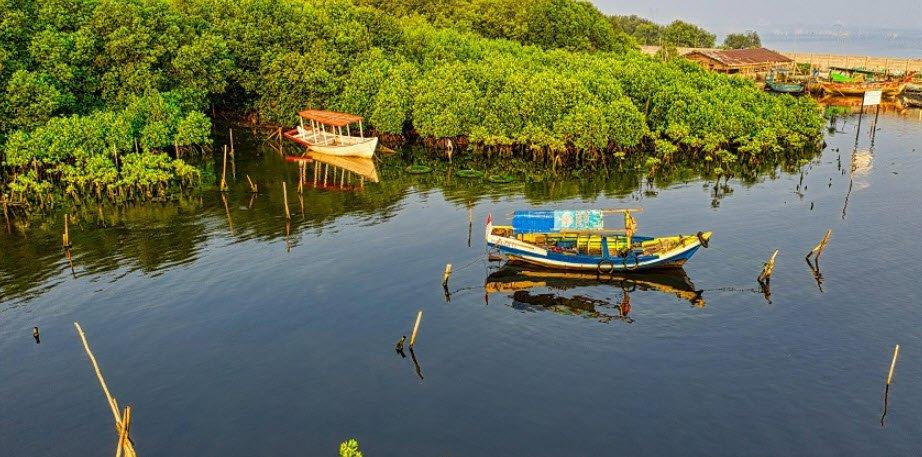
In an era of rising seas, changing climates and increasing pressure on coastal environments, places such as Lothian Island remind us that conservation is not merely about protecting individual species or forests. It is about preserving the natural processes that allow entire ecosystems to function. By safeguarding this remarkable mangrove wilderness, we also protect an irreplaceable chapter in the continuing story of the Indian Sundarbans—a landscape where every tide reshapes the earth, and every tide renews life.
Plan your private Sundarban expedition
A private journey shaped around you — your group, your pace, your interests. Book a free consultation.