 Field guide
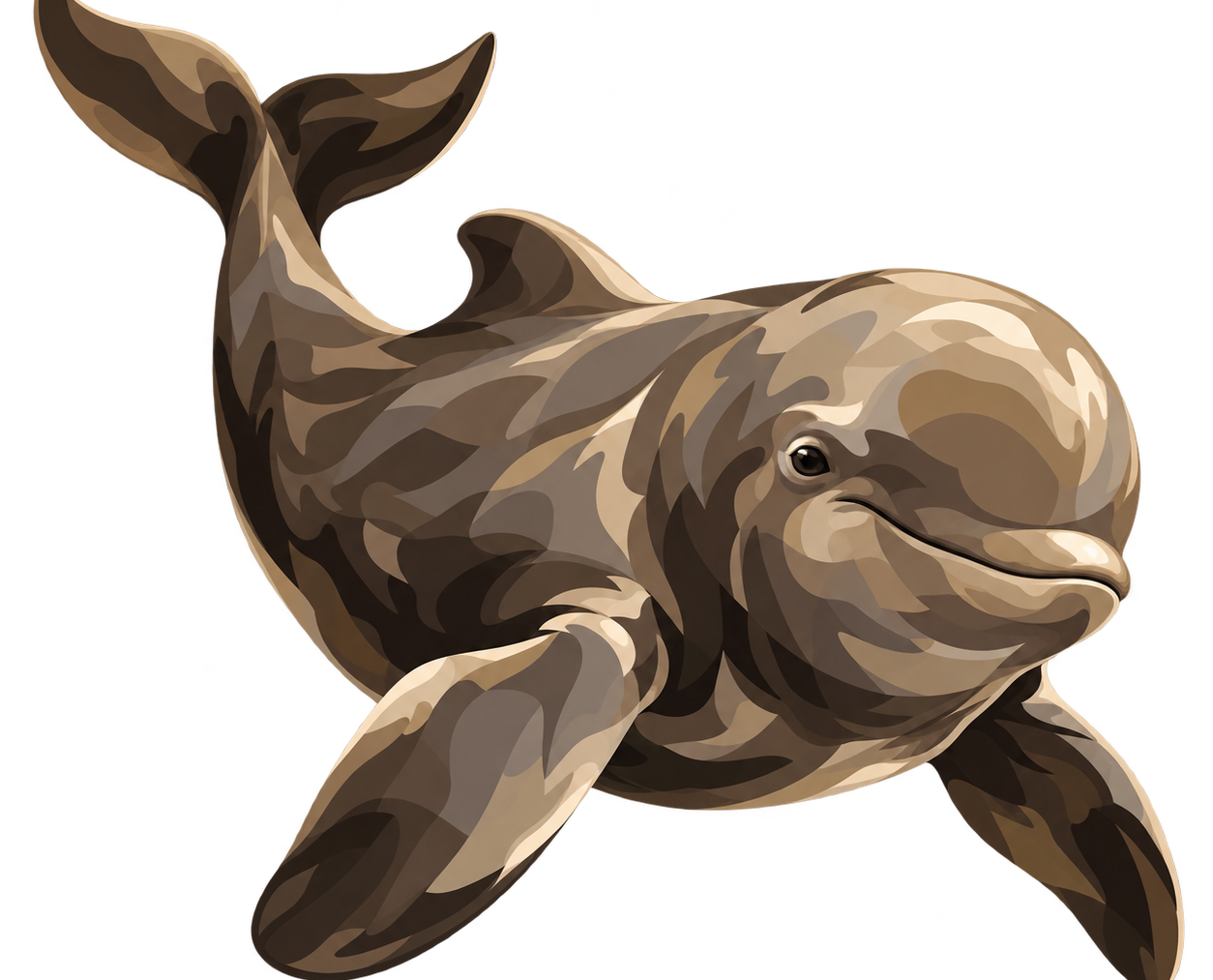
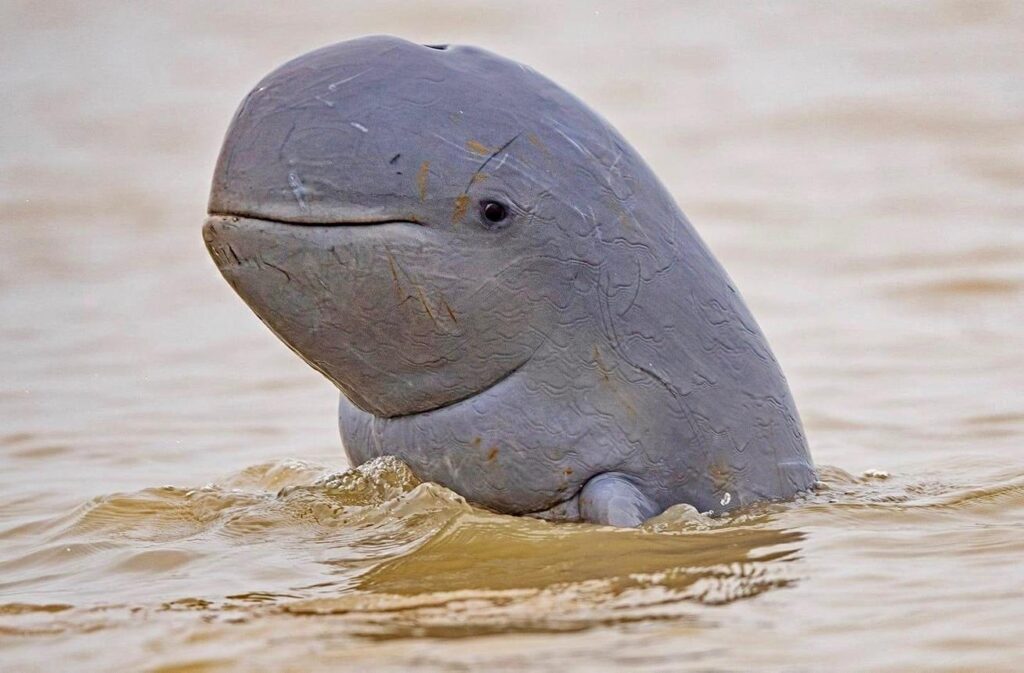
The Irrawaddy dolphin is one of the most distinctive aquatic mammals associated with the tidal waterways of the Sundarbans. Unlike dolphins with elongated, pointed snouts, it has a rounded forehead, a blunt face and a small, inconspicuous dorsal fin. Its habitat extends across coastal, brackish and freshwater environments in South and Southeast Asia, including the waters of the Sundarbans in West Bengal.
For The Wild Orbit, the important story is not simply that this dolphin inhabits mangrove country. It is how a mammal adapted to aquatic life persists in an estuarine landscape shaped by tides, shifting sediments, freshwater inputs, salinity and human activity. The scientific evidence also calls for a clear distinction between the better-documented dolphin populations in Bangladesh and the less thoroughly quantified population on the Indian side.
Irrawaddy Dolphin At a Glance
| Feature | Details |
| Common name | Irrawaddy Dolphin |
| Scientific name | Orcaella brevirostris |
| Family | Delphinidae |
| Order | Cetartiodactyla |
| Class | Mammalia |
| Global IUCN status | Endangered (EN) |
| Habitat | Coastal waters, estuaries, brackish waterways and certain freshwater systems |
| Diet | Primarily fish; also crustaceans and cephalopods |
| Social behaviour | Commonly observed in small groups |
| Typical adult length | Approximately 2–2.75 metres, with size varying by sex and population |
| Distinctive features | Rounded forehead, no prominent beak, small dorsal fin and broad flippers |
| Indian distribution | Documented in Chilika Lagoon, Odisha, and the Sundarbans region of West Bengal; also reported in the Hooghly River |
| Ecological significance | Predator in aquatic food webs and an indicator of the condition of estuarine and coastal habitats |
Scientific Classification and Identity
The Irrawaddy dolphin belongs to the family Delphinidae, the family of oceanic dolphins. Despite its common name, it is not exclusively a river dolphin. It occupies a range of aquatic environments, from coastal marine waters and estuaries to selected rivers and lagoons.
Its scientific name, Orcaella brevirostris, distinguishes it from the Australian snubfin dolphin (Orcaella heinsohni), a related but separate species recognised by modern taxonomy. The two should not be confused when identifying dolphins in photographs or field records.
The Irrawaddy dolphin’s unusual appearance makes it relatively distinctive. Its head slopes into a rounded forehead instead of extending into the long, narrow beak familiar from many other dolphins. Its compact dorsal fin and broad flippers complete a silhouette that can look almost porpoise-like when the animal surfaces briefly in turbid water.
It is nevertheless a true dolphin, equipped with the specialised sensory systems, social behaviours and aquatic adaptations associated with cetaceans.
Distribution Across South and Southeast Asia
The Irrawaddy dolphin has a discontinuous distribution across tropical and subtropical parts of the Indo-Pacific. Its coastal populations occur in waters around several South and Southeast Asian countries, while certain populations occupy river systems and enclosed lagoons.
Important known population areas include the following:
| Region | Ecological setting |
| Bangladesh Sundarbans | Extensive tidal rivers and brackish mangrove waterways |
| Indian Sundarbans, West Bengal | Tidal estuarine channels, with occurrence documented but population size insufficiently established |
| Chilika Lagoon, Odisha | Brackish lagoon with an established dolphin population |
| Ayeyarwady River, Myanmar | Freshwater river population |
| Mahakam River, Indonesia | Freshwater river population |
| Mekong River, Cambodia | Freshwater river population |
| Songkhla Lake, Thailand | Lagoon and lake system |
| Malampaya Sound, Philippines | Coastal inlet population |
These populations do not all have the same conservation status or ecological circumstances. Several isolated populations are classified as Critically Endangered, while the species as a whole is classified as Endangered. The global category must not be mistaken for the status of every local population.
The Irrawaddy Dolphin in the Indian Sundarbans
The Indian Sundarbans occupies a particularly important place in the species’ distribution because it combines a vast tidal mangrove landscape with estuarine waterways that connect inland rivers to the Bay of Bengal.
The Irrawaddy dolphin has been recorded in the Sundarbans region of West Bengal, and scientific literature has also documented its presence in the Hooghly River. A study by researchers associated with the Wildlife Institute of India reported observations made during vessel-based surveys and intensive monitoring from an anchored boat.
However, a distinction matters: documented occurrence is not the same as a current, reliable population estimate. The Marine Mammal Protected Areas Task Force notes that population estimates are unavailable for the Indian side of the Sundarbans, even though the habitat is considered ecologically relevant to the species.
A major new opportunity for improving this knowledge comes from India’s second nationwide dolphin estimation programme, launched in January 2026 under Project Dolphin. The programme includes plans to assess Irrawaddy dolphins in the Sundarbans and Odisha, alongside habitat conditions and threats. Until results for those areas are published, older estimates should not be presented as the current Indian Sundarbans population.
This uncertainty is not a reason to overlook the species. It is a reason to give research, monitoring and evidence-based conservation a central place in its story.
Habitat: Life Between River and Sea
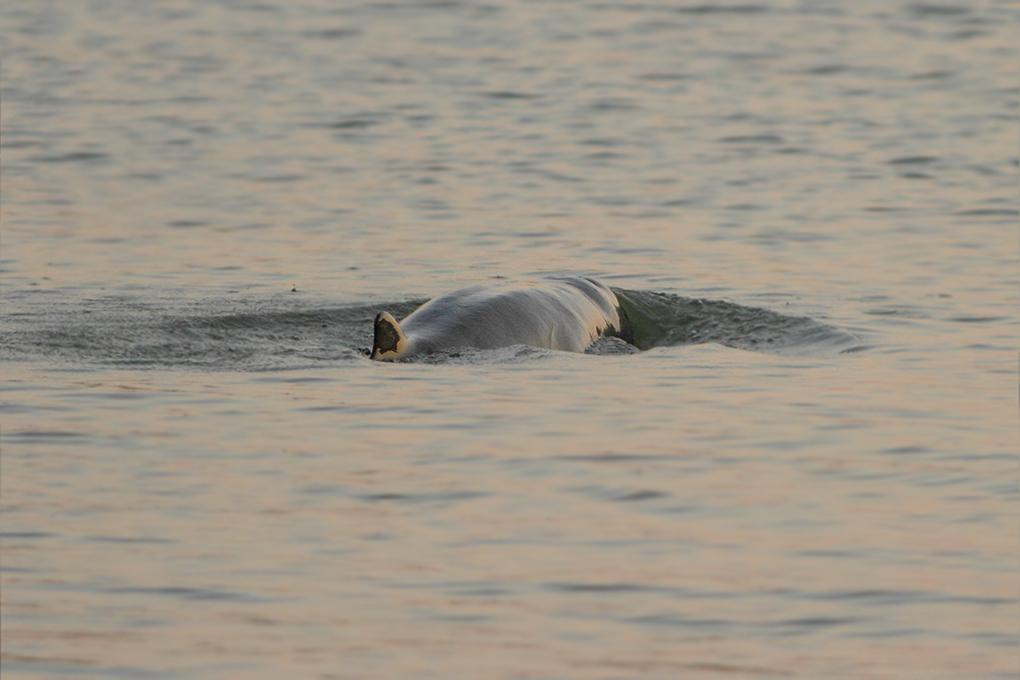
The Sundarbans is not a conventional river landscape. Its waterways are shaped by tides, sediment movement, freshwater discharge and the exchange of water with the Bay of Bengal. Salinity can vary considerably between locations and seasons.
Irrawaddy dolphins are suited to this range of aquatic conditions. Their presence in brackish and coastal habitats, as well as in freshwater systems, reflects an ability to tolerate differing salinity levels. This broad environmental tolerance is one of the defining features of the species.
Within the Sundarbans, estuarine channels provide pathways through which dolphins can travel and search for prey. Fish occupy a range of habitats, including deeper channels, shallower margins and areas influenced by changing currents. Dolphin distribution is therefore connected to more than the presence of water alone: prey availability, channel characteristics, water conditions and disturbance can all influence habitat use.
The surrounding mangroves are important to the wider aquatic system. Their roots stabilise shorelines in many places, retain sediment and provide habitat for organisms that support estuarine food webs. Yet it would be inaccurate to claim that the dolphin feeds directly on mangroves or depends on a particular mangrove species as a food source.
The ecological relationship is indirect but significant. Mangroves help shape the productive estuarine environment in which fish and other aquatic organisms live, while dolphins occupy a higher position in its food web.
Why the Sundarbans Matters to This Dolphin
The Sundarbans offers a combination of extensive tidal waterways, brackish habitat and aquatic prey resources that makes it relevant to Irrawaddy dolphin conservation. The cross-border landscape is especially important: research in the Bangladesh Sundarbans has documented a substantial population, while information for the Indian portion remains less complete.
This difference in knowledge should guide conservation priorities. Evidence from Bangladesh can help researchers understand the ecology of Irrawaddy dolphins in mangrove waterways, but its population counts cannot simply be transferred to West Bengal. Differences in salinity, freshwater influence, channel structure, fishing pressure and survey coverage may affect the local picture.
For the Indian Sundarbans, the immediate scientific priorities are to establish a robust baseline, identify areas of repeated occurrence, assess interactions with fishing activity and monitor changes over time.
The dolphin is thus both a resident of an unusual aquatic environment and a reminder of how much remains to be understood about the wildlife moving through the region’s tidal channels.
A Body Shaped for Aquatic Life
The Irrawaddy dolphin has a stout, streamlined body adapted for swimming through coastal waters, river mouths and estuarine channels. Its rounded forehead and short face give it a distinctive profile, while its broad flippers help it manoeuvre through the water.
Adults generally reach around 2–2.75 metres in length, although males tend to grow larger than females. Published descriptions report a bluish-grey to brownish-grey upper body, becoming paler along the underside. Colour can appear different under changing light and in muddy water.
Its body is built for movement rather than for resting on land. Like other cetaceans, it breathes atmospheric air through a blowhole on top of its head and must return to the surface to breathe.
| Physical feature | Biological function |
| Rounded forehead | Contains the melon, a fatty structure involved in directing echolocation sounds |
| Short, blunt face | Distinguishes the species from many long-beaked dolphins |
| Broad flippers | Help control direction, turning and stability |
| Small dorsal fin | Contributes to the animal’s characteristic silhouette |
| Horizontal tail flukes | Generate the main thrust for swimming |
| Blowhole | Allows rapid breathing at the water surface |
| Flexible neck region | Permits greater head movement than is typical of many dolphins |
The dolphin’s flexible neck is an especially interesting feature. Its head can move more freely than that of many other dolphin species, whose neck vertebrae are more tightly fused. The precise advantage of this trait depends on behaviour and context, so it should not be described as a special adaptation exclusively for navigating mangrove roots.
How It Moves Through Tidal Waterways
The Irrawaddy dolphin moves by flexing its body vertically and driving its tail flukes up and down. The flippers assist with steering, while the streamlined body reduces resistance as it travels through water.
In the Sundarbans, this ability matters in an environment where water movement changes continuously. Tidal currents can alter the direction and speed of water through channels, and the depth of a waterway may vary substantially over a tidal cycle.
Research across the species’ range indicates that Irrawaddy dolphins may move between inshore waters, river mouths and deeper areas in association with tidal changes and the movements of fish. This behaviour should be understood as a pattern documented in different habitats, not as proof that every dolphin in the Indian Sundarbans follows the same daily route.
A dolphin surfacing in an estuarine channel may be travelling, feeding, socialising or simply breathing. A brief sighting rarely reveals which of these activities is taking place.
The Senses Behind Survival
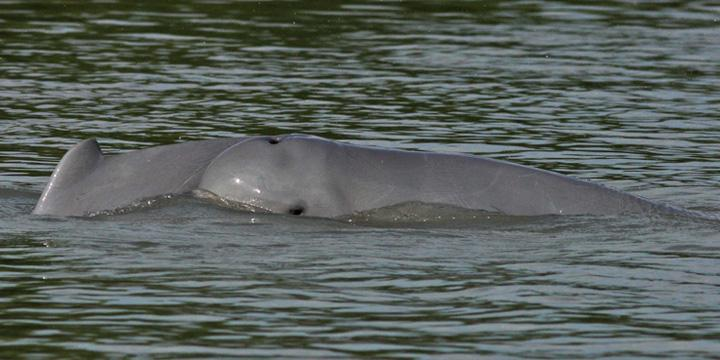
Life in turbid water presents a particular challenge. Suspended silt and sediment can reduce visibility, especially in tidal waterways where water is continually moving over mudbanks and through shallow channels.
Irrawaddy dolphins use echolocation to obtain information about their surroundings. They emit high-frequency sounds and interpret returning echoes, helping them locate prey and navigate underwater environments. Hearing and sound production are essential components of cetacean biology.
Their rounded forehead contains the melon, a specialised fatty structure associated with directing echolocation signals. This system is particularly useful when visual information is limited, although the dolphin also has eyes and uses vision when conditions permit.
Sound is also relevant to social behaviour. Dolphins communicate through acoustic signals, and their underwater environment carries information that cannot be observed from a passing boat.
For researchers, this creates an opportunity. Visual surveys alone may miss animals that remain submerged or are difficult to distinguish against turbid water. Passive acoustic monitoring using hydrophones can complement direct observations, although sounds must be analysed carefully to distinguish species and interpret animal presence. India’s 2026 Project Dolphin programme explicitly includes hydrophone-based monitoring as part of its wider approach to dolphin assessment.
What Does the Irrawaddy Dolphin Eat?
The Irrawaddy dolphin is a generalist aquatic predator. Fish form an important part of its diet, and published accounts also describe the consumption of crustaceans and cephalopods. The exact composition of its diet varies with habitat and the prey available.
Its feeding behaviour is not limited to chasing fish in open water. Irrawaddy dolphins have been observed feeding near the bottom, sometimes surfacing with mud on their heads or backs. They have also been reported expelling water while feeding, although the function of this behaviour can vary and should not be assumed from a single observation.
In parts of their range, dolphins forage near fishing operations, where fish may be concentrated or disturbed as nets are deployed and retrieved. Such behaviour creates opportunities for feeding but also exposes dolphins to fishing gear.
In the Sundarbans, it is reasonable to expect prey availability and channel conditions to influence feeding opportunities. However, a detailed, site-specific account of the Indian Sundarbans population’s diet requires local evidence. Fish species documented in another river system should not automatically be listed as regular prey in West Bengal.
Feeding Within a Productive Food Web
See it for yourself
A private journey shaped around you — your group, your pace, your interests. Book a free consultation.
The Irrawaddy dolphin occupies a predatory role within aquatic food webs. By consuming fish and other aquatic animals, it participates in the movement of energy through the estuarine ecosystem.
Its ecological importance should not be exaggerated. Dolphins do not independently maintain the health of an entire mangrove forest, and their presence alone cannot establish that every aspect of the ecosystem is functioning well.
Nevertheless, the condition of dolphin habitat can reveal important information about wider environmental pressures. Declining prey availability, harmful fishing practices, pollution and disturbance may affect dolphins alongside other aquatic species and the communities that depend on the same waterways.
In this sense, conserving the dolphin means considering the ecological relationships that sustain it, rather than focusing only on the animal itself.
When Is It Most Active?
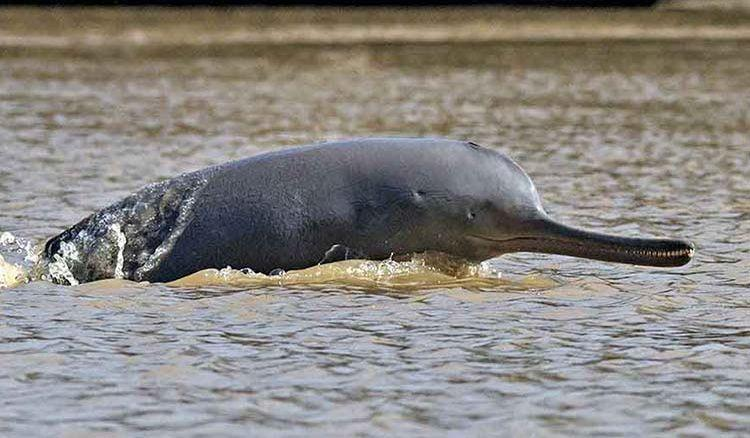
Irrawaddy dolphins surface regularly to breathe, but the timing of their activity depends on circumstances such as feeding, social interactions, prey movements and local environmental conditions.
Some populations have been documented feeding or moving in relation to tidal changes. Small groups are commonly reported, often containing two to six individuals, although larger aggregations have also been observed elsewhere in the species’ range.
There is insufficient evidence to assign a universal peak activity time to the Indian Sundarbans population. It would be misleading to promise that the dolphins are most visible at sunrise, sunset or a particular stage of the tide without reliable local observations.
For wildlife researchers, recording the time, tidal stage, water conditions, group size and behaviour of each encounter is more valuable than assuming that a general pattern applies everywhere.
Social Structure and Group Behaviour
Irrawaddy dolphins are frequently encountered alone or in small groups. Their group sizes can change with location and activity, and larger gatherings have been reported in some coastal and lagoon environments.
A small group may include animals travelling together, feeding in the same area or engaging in social interactions. However, a group observed briefly from a boat does not necessarily represent a stable family unit.
The species’ social lives are not fully understood across all its populations. Observations from one location can provide useful comparisons, but they cannot establish the exact social structure of dolphins in the Indian Sundarbans.
This is particularly important when interpreting sightings. Two dolphins surfacing close together may be travelling companions, a mother and calf, or animals temporarily using the same feeding area. Their relationship cannot be determined from proximity alone.
Communication Beneath the Surface
The aquatic world of the Irrawaddy dolphin is not silent. Dolphins use sound to obtain information about their surroundings and interact with other individuals.
Echolocation helps them detect objects and prey, while other acoustic signals are associated with communication. Sound travels efficiently underwater, allowing acoustic information to remain important even when visual contact is limited.
Boat engines, intense vessel activity and other sources of underwater noise may interfere with the acoustic environment used by cetaceans. The degree of impact depends on sound intensity, frequency, duration, distance and the animals’ behaviour. It is therefore better to assess noise as a potential conservation pressure than to claim that every passing boat causes the same response.
In the Indian Sundarbans, systematic acoustic research could improve knowledge of where dolphins occur, how their activity changes over time and how they respond to vessel traffic.
Breeding, Calves and Parental Care
Irrawaddy dolphins give birth to live young and nurse their calves with milk, as other cetaceans do. Calves must surface to breathe, remain close to their mothers during early development and gradually acquire the skills needed for independent survival.
Published accounts suggest a gestation period of approximately 14 months, although reproductive information remains incomplete for many populations. Births may occur throughout the year, with seasonal peaks reported in some regions. These patterns should not be treated as a verified breeding calendar for the Indian Sundarbans.
A mother and calf travelling together can be a particularly valuable observation for researchers. Repeated, carefully documented encounters may help establish whether an area is used for feeding, calf rearing or other important life-history activities.
However, a single sighting of a calf does not establish that the surrounding channel is a regular nursery area. That conclusion requires repeated evidence over time.
Predators and Natural Mortality
The Irrawaddy dolphin is a relatively small cetacean, and sharks are commonly cited as possible natural predators. Yet detailed information about predation on dolphins in the Indian Sundarbans is limited.
The conservation risks that receive much greater attention are human-induced. Accidental entanglement in fishing gear, particularly gillnets, is recognised as a major source of mortality for Irrawaddy dolphins across their range. Habitat degradation and declining prey availability can add to the pressure.
It is important to distinguish confirmed threats from assumed ones. A dolphin carcass or an injured animal should be examined, where possible, by qualified personnel before its cause of death is attributed to a predator, fishing gear or pollution.
The Dolphin and Fishing Communities
Fishing communities and dolphins use many of the same waterways, often in pursuit of the same fish resources. Their relationship can involve coexistence, accidental encounters and competing demands on an aquatic environment.
In several parts of its range, the Irrawaddy dolphin has been observed near fishing boats and nets. Fishermen may encounter dolphins while working, and some regional populations have been reported taking discarded fish during net retrieval. Such behaviour is documented elsewhere and should not be assumed to occur routinely in the Indian Sundarbans.
The most serious concern is accidental capture. A dolphin that becomes entangled in a net may be unable to reach the surface to breathe. Gillnets can remain submerged and unattended, creating a hazard that is difficult to eliminate through observation alone.
At the same time, fishing is a source of livelihood for many households in and around the Sundarbans. Conservation measures need to recognise the practical realities of fishing, the importance of local knowledge and the need for solutions that reduce dolphin mortality without unfairly placing the burden on local communities.
Useful responses may include recording bycatch incidents, identifying risky fishing practices and locations, supporting suitable gear modifications where feasible, and involving fishing communities in monitoring and conservation planning.
The objective is not to portray people as the enemy of wildlife. It is to find ways for livelihoods and aquatic biodiversity to persist in the same landscape.
Conservation Status and the Main Threats
The Irrawaddy dolphin is classified as Endangered on the IUCN Red List, following a reassessment published in 2017. The assessment identified substantial declines across the species’ range, with fisheries-related mortality and habitat pressures among the major concerns. Some isolated populations face the more severe category of Critically Endangered.
The species’ distribution is fragmented. Dolphins living in separate river systems, lagoons and coastal areas may have limited opportunities to exchange individuals, making the loss of animals from a small population especially consequential.
| Conservation pressure | Potential impact |
| Gillnets and other fishing gear | Entanglement, injury and drowning |
| Reduced prey availability | Less food and greater pressure on feeding opportunities |
| Water pollution | Exposure to contaminants and degradation of aquatic habitat |
| Habitat alteration | Changes to channel structure, prey distribution and movement |
| Underwater noise | Possible disruption of acoustic behaviour |
| Intensive vessel activity | Disturbance and potential collision risk, depending on conditions |
| Changes in freshwater flow and salinity | Alteration of habitat conditions and prey communities |
| Climate change and sea-level rise | Potential changes to estuarine habitats, salinity and channel dynamics |
Not every threat has been measured specifically for the Indian Sundarbans population. The table describes established or plausible pressures for the species and its habitat, not a quantified ranking of local threats.
Why Fishing Gear Is a Major Concern
Dolphins cannot breathe underwater. When one becomes trapped in a submerged net, it may be prevented from reaching the surface and can drown.
This is particularly concerning in estuaries, where dolphins and fishing operations overlap. The risk can vary with net type, mesh size, placement, duration of deployment and local dolphin behaviour.
Reducing bycatch requires more than telling fishermen to be careful. Conservation programmes need to establish where incidents occur, what gear is involved, and which practical interventions are effective. Depending on the location, these may include gear changes, improved reporting, targeted restrictions or locally agreed fishing practices.
Reliable records also matter. A stranded dolphin, an animal found dead in fishing gear and an unverified report of a missing animal represent different kinds of evidence. Consistent documentation makes it easier to identify patterns and prioritise action.
Monitoring the Irrawaddy Dolphin
Understanding the Indian Sundarbans population requires systematic research that combines different observation methods.
| Monitoring method | What it can reveal |
| Boat-based visual surveys | Distribution, group size, surfacing behaviour and encounter rates |
| Fixed-point observations | Repeated activity within a defined stretch of water |
| Hydrophones and acoustic monitoring | Dolphin sounds and patterns of acoustic activity |
| Photo-identification, where feasible | Potentially recognisable individuals and repeated encounters |
| Strandings and bycatch records | Mortality, injury and evidence of interactions with fishing gear |
| Habitat measurements | Water conditions, salinity, channel characteristics and other ecological variables |
| Fish and prey studies | Availability of potential food resources |
| Long-term survey comparisons | Changes in distribution and relative abundance |
Photo-identification can be challenging because individual Irrawaddy dolphins may not always have distinctive markings that can be recognised reliably. Acoustic detections also require appropriate analysis: not every underwater sound can be attributed confidently to a particular dolphin species.
The most useful approach is to combine methods and repeat surveys under comparable conditions. This allows researchers to distinguish genuine changes from differences in survey effort, water conditions or the likelihood of detecting an animal.
India’s second nationwide dolphin estimation programme, launched in January 2026 under Project Dolphin, is intended to extend monitoring to the Sundarbans and Odisha for Irrawaddy dolphins. The programme is coordinated by the Wildlife Institute of India in collaboration with government departments and conservation organisations. Its results should help establish a stronger evidence base for future management.
Protecting the Estuarine Habitat
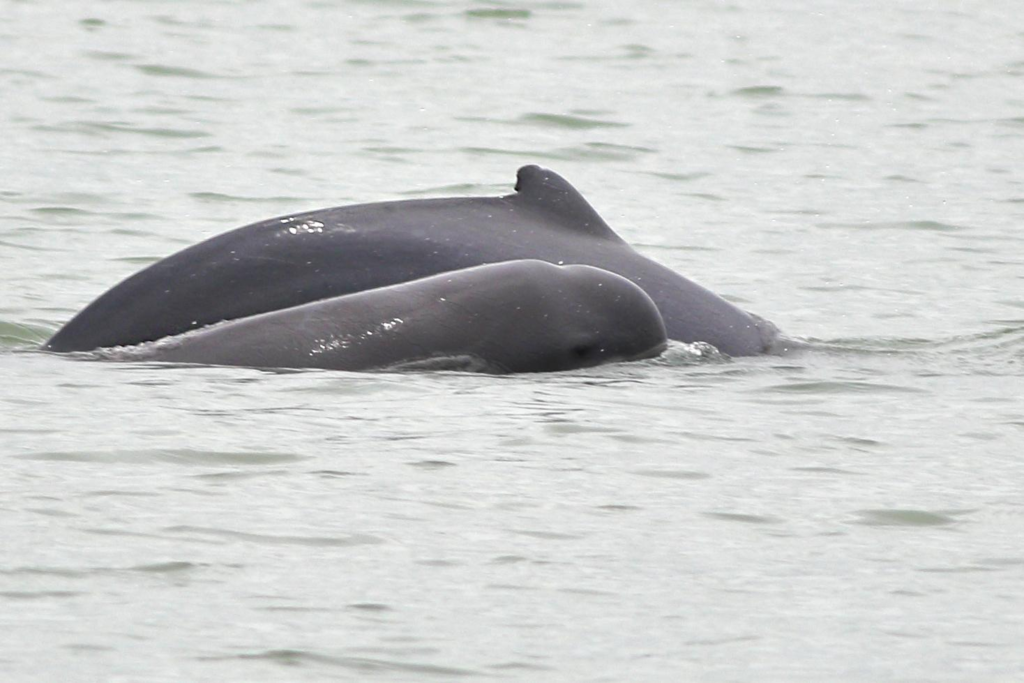
Protecting the Irrawaddy dolphin requires maintaining the ecological conditions that allow it to feed, move and reproduce.
In the Sundarbans, this means considering the connected nature of the aquatic landscape. Rivers, creeks, estuarine channels and coastal waters are not isolated habitats. Changes to water flow, sediment movement, pollution levels and fishing activity can influence different parts of the system.
Mangrove conservation remains important to the broader estuarine environment, but conserving trees alone is not enough to protect an aquatic mammal. Dolphin conservation must also address conditions beneath the water’s surface, including prey availability, water quality, fishing practices and disturbance.
The transboundary nature of the Sundarbans adds another dimension. The Bangladesh portion has a better-documented Irrawaddy dolphin population, while comparable information remains incomplete for the Indian side. Cooperation across borders can help improve scientific understanding of this shared ecological landscape without assuming that the two countries’ populations are identical.
Climate Change, Salinity and a Changing Coastline
The Sundarbans is exposed to cyclones, shoreline erosion, sediment movement, sea-level rise and changes in the balance between freshwater and saline water. These pressures can reshape tidal channels and alter the ecological conditions experienced by aquatic species.
For Irrawaddy dolphins, the consequences may be indirect. Changes in salinity and water flow can influence the distribution of fish and other prey. Alterations to channels may affect where animals feed or move. The significance of each change depends on local conditions and the ability of dolphins to use alternative habitat.
It would be premature to attribute a specific decline in the Indian Sundarbans dolphin population to climate change without a reliable baseline and supporting evidence. At present, establishing population size, distribution and habitat use is essential for determining how future changes affect the species.
Long-term monitoring can provide that baseline. Without it, researchers may struggle to distinguish gradual ecological change from natural variation in dolphin movements or the visibility of animals during surveys.
Where Can the Irrawaddy Dolphin Be Observed in the Sundarbans?
The Irrawaddy dolphin has documented occurrence in the Indian Sundarbans region, but there is insufficient current evidence to identify a specific channel, watchtower or tourist route as a dependable dolphin-sighting hotspot. The Marine Mammal Protected Areas Task Force explicitly notes the absence of an Indian-side population estimate.
Marine Mammal Protected Areas Task Force
For wildlife observation, the following distinctions are important:
| Area or setting | What the evidence supports |
| Indian Sundarbans waterways | The species is reported from the region, but local abundance and distribution require updated surveys |
| Hooghly River, West Bengal | Scientific observations have been published, establishing documented occurrence in the river |
| Chilika Lagoon, Odisha | A recognised Indian location for Irrawaddy dolphin observation |
| Bangladesh Sundarbans | A comparatively well-studied population has been documented in tidal mangrove waterways |
The Hooghly River record should not be interpreted as evidence that dolphins occur regularly along every stretch of the river or throughout the entire Indian Sundarbans. Likewise, a location with suitable habitat is not necessarily a location with frequent sightings.
For The Wild Orbit’s wildlife guide, this distinction is central to responsible interpretation. It is better to describe an area as a documented occurrence region or potentially suitable habitat than to promise a high probability of an encounter.
The Important Truth About Wildlife Sightings
Wildlife is not a scheduled attraction. Dolphins may remain submerged, travel beyond a viewing area, change their feeding locations or become difficult to detect in turbid water.
Even a stretch of river where dolphins have been recorded may produce no sightings on a particular day. Conversely, an unexpected encounter can occur in a place without a long history of documented observations.
A lack of sightings does not prove that the species is absent. Equally, a single sighting does not establish that the species is common in that location.
The most valuable wildlife observation is one that respects the animal’s behaviour. Boats should maintain an appropriate distance, avoid pursuing dolphins, and never obstruct their movement or deliberately separate a mother from her calf. Any scientific record should include the date, location, observation conditions and behaviour where these details can be collected safely.
What Makes the Sundarbans Irrawaddy Dolphin Unique?
The significance of the Irrawaddy dolphin in the Sundarbans lies in the relationship between a distinctive aquatic mammal and one of the world’s most dynamic mangrove environments.
Its ability to occupy coastal, brackish and freshwater habitats makes it well suited, in broad ecological terms, to the transitions found in estuarine landscapes. Tidal channels provide routes through a shifting network of water, while the productivity of the wider estuary supports the fish and other organisms on which the dolphin feeds.
Yet the Indian Sundarbans story is also a story of incomplete knowledge. Bangladesh’s population has been studied through dedicated abundance surveys, but no comparable current population estimate is available for the Indian portion in the cited regional assessment. This makes systematic monitoring an especially important conservation priority.
There is no established evidence that the Irrawaddy dolphins of the Indian Sundarbans constitute a separate species or subspecies. Their importance comes from their place within the recognised species and from the ecological role they occupy in this particular landscape.
The dolphin also illustrates the importance of looking beyond the forest canopy. The Sundarbans is often described through its tigers, mangroves and terrestrial wildlife, but its tidal waterways support their own community of aquatic mammals. Conserving these waterways requires attention to fish populations, water quality, fishing practices, vessel activity and the wider processes that sustain estuarine life.
For The Wild Orbit, this is the defining point: the Irrawaddy dolphin is not simply an unusual animal that might appear beside a boat. It is part of the living aquatic system of the Sundarbans, and understanding its future requires protecting the ecological relationships that make its presence possible.
Myths and Facts About the Irrawaddy Dolphin
| Myth | Fact |
| It is exclusively a freshwater river dolphin. | It also occupies coastal and brackish environments. |
| It has a long, pointed beak like many dolphins. | Its face is short and blunt, with a rounded forehead. |
| Every dolphin population has the same conservation status. | Some isolated populations are Critically Endangered, while the global species is Endangered. |
| A dolphin sighting proves that a river is pollution-free. | A sighting alone cannot establish overall water quality or ecosystem health. |
| The species can reliably be seen at a particular time every day. | Sightings depend on movement, behaviour, environmental conditions and detectability. |
| The Bangladesh Sundarbans population estimate represents the Indian Sundarbans population. | The two cannot be treated as equivalent; an Indian-side population estimate is lacking in the cited regional assessment. |
FAQs
1. What is the scientific name of the Irrawaddy dolphin?
The scientific name is Orcaella brevirostris. It belongs to the family Delphinidae and is recognised by its rounded forehead, blunt face and small dorsal fin.
2. Is the Irrawaddy dolphin found in the Indian Sundarbans?
Yes. Its occurrence has been documented in the Sundarbans region of West Bengal, and scientific observations have also been published from the Hooghly River. However, a reliable current population estimate for the Indian Sundarbans is not available in the cited regional assessment.
3. Is the Irrawaddy dolphin endangered?
Yes. The species is classified as Endangered on the IUCN Red List. Several isolated populations have the more severe status of Critically Endangered.
4. What does the Irrawaddy dolphin eat?
It feeds mainly on fish and may also consume crustaceans and cephalopods. Its precise diet varies with habitat and prey availability.
5. Can the Irrawaddy dolphin live in saltwater?
It can occupy coastal marine, brackish and freshwater environments. This ability to tolerate different salinity conditions is an important feature of its ecology.
6. How is the Irrawaddy dolphin different from the Ganges River dolphin?
The Irrawaddy dolphin has a rounded forehead and no prominent beak, while the Ganges River dolphin has a long, slender beak and a different body profile. They are separate species with different ecological requirements.
7. What are the main threats to Irrawaddy dolphins?
Accidental entanglement in fishing gear, habitat degradation, reduced prey availability and pollution are important threats. Their relative importance varies between populations and locations.
8. Where can Irrawaddy dolphins be seen in India?
Chilika Lagoon in Odisha is a recognised location for Irrawaddy dolphin observation. Occurrences are also documented in the Sundarbans region of West Bengal, but sightings at specific locations cannot be guaranteed.
9. How do scientists study Irrawaddy dolphins?
Researchers use boat-based visual surveys, acoustic monitoring, habitat assessments and records of strandings and fishing-related mortality. Combining methods helps improve detection and build a more reliable understanding of population trends.
10. Why is the Irrawaddy dolphin important to the Sundarbans?
It is a predator within the estuarine food web and part of the region’s aquatic biodiversity. Its conservation also draws attention to the condition of tidal waterways and the need to manage human activities in ways that sustain aquatic wildlife.
The Wild Orbit Perspective
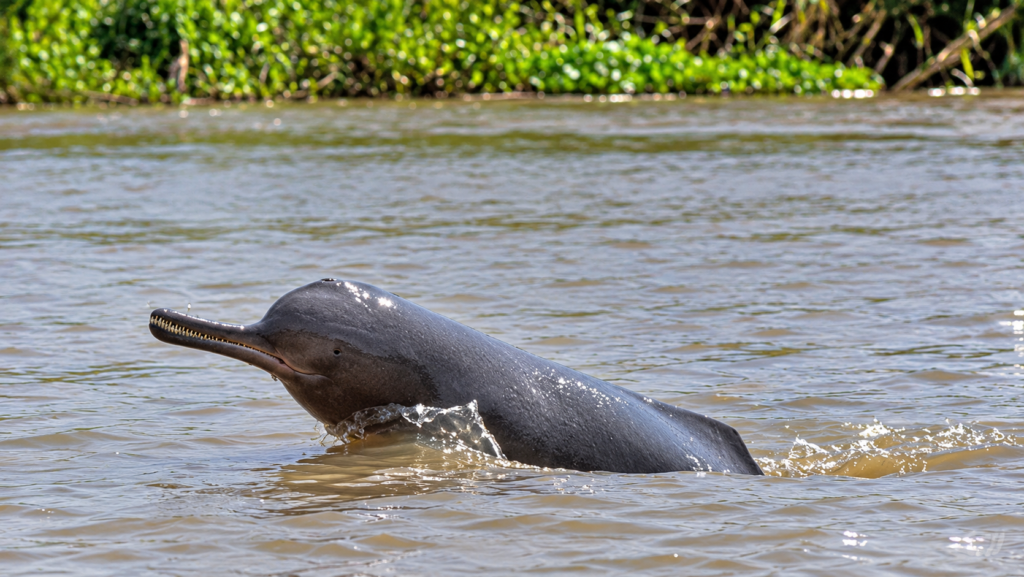
The Sundarbans is a landscape that changes with every tide. Mudbanks emerge and disappear, water moves between mangrove islands, and the boundaries between freshwater and saltwater shift across the estuary. Beneath that changing surface, the Irrawaddy dolphin follows a life shaped by sound, movement and the search for prey.
Its rounded head may appear briefly above the water before disappearing into a channel carrying the colour of suspended silt. Such an encounter can last only seconds, yet it reveals a world that remains largely hidden from human observation.
The dolphin’s future depends on more than protecting individual animals. It requires waterways that continue to support fish, habitats that remain connected, responsible fishing practices and research capable of identifying changes before they become irreversible.
For the Indian Sundarbans, there is still much to learn. Better population estimates, long-term observation and cooperation between researchers and local communities can turn scattered records into a clearer understanding of the species’ needs.
The Irrawaddy dolphin reminds us that the Sundarbans is not only a forest of mangroves and wildlife on land. It is also an intricate aquatic world, where the health of the river is inseparable from the lives that move through it.
To protect the dolphin is to protect the living waterway that carries its future.
Plan your private Sundarban expedition
A private journey shaped around you — your group, your pace, your interests. Book a free consultation.