
 Field guide
Where mangrove roots meet tidal water, survival depends on an intimate understanding of two worlds. The smooth-coated otter is a semi-aquatic mammal adapted to this meeting point, moving between river channels, muddy banks and sheltered waters in search of food.
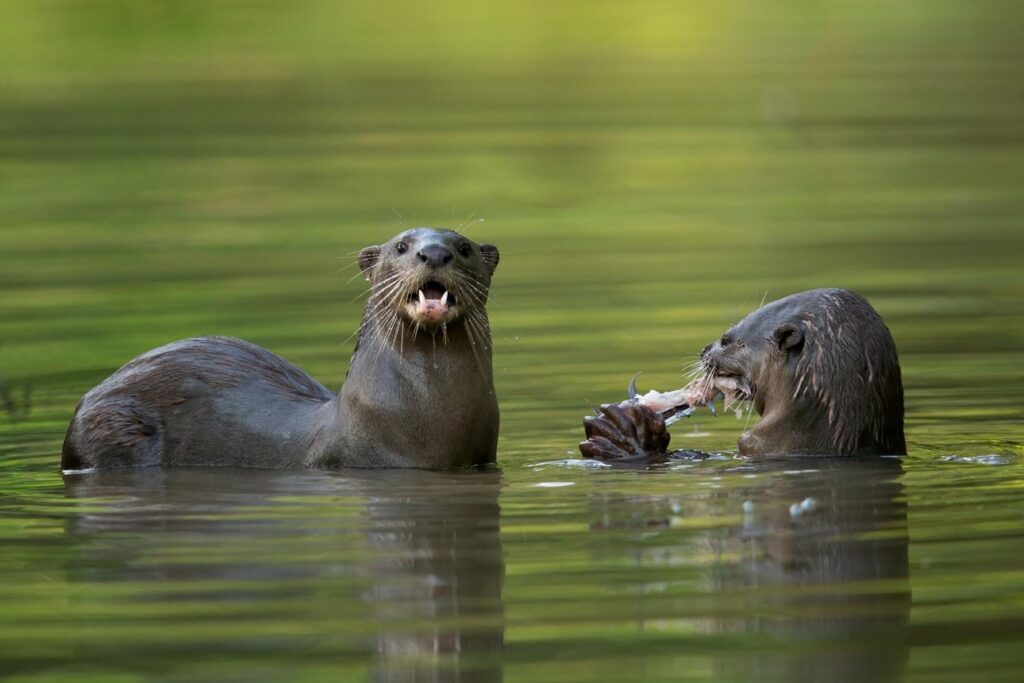
In the Indian Sundarbans of West Bengal, its story belongs to a larger ecological system shaped by tides, estuarine productivity, mangrove vegetation and the lives of people who depend on these waters. Although the species is recognised in West Bengal’s biodiversity information, detailed, publicly accessible evidence about its distribution and population within individual Indian Sundarbans locations remains limited.
This is the story of a mammal whose survival depends not simply on water, but on the quality of the entire landscape surrounding it.
Meet the Smooth-coated Otter
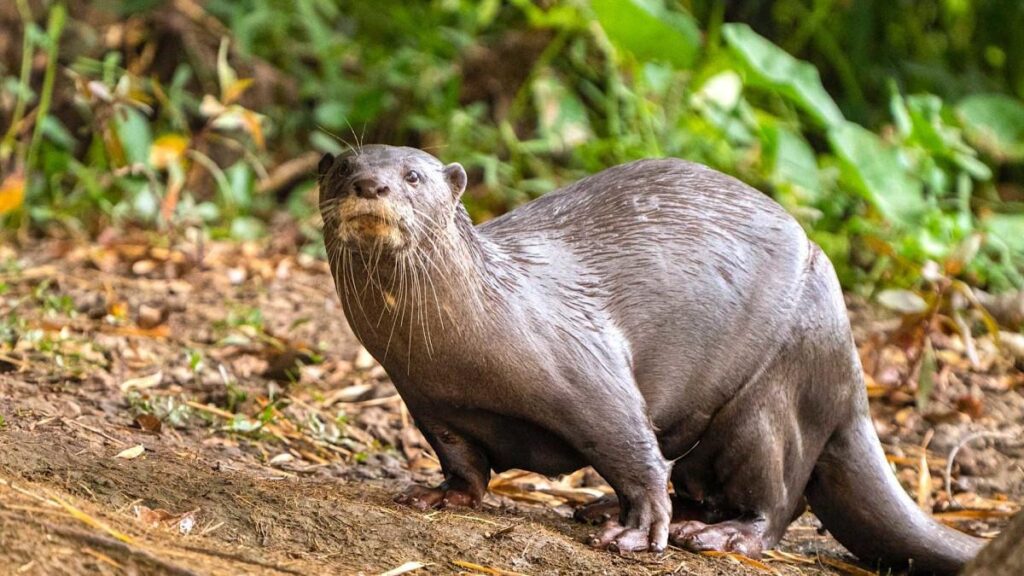
The smooth-coated otter is one of Asia’s distinctive semi-aquatic carnivores. Its streamlined body, short velvety coat, muscular tail and webbed feet allow it to travel efficiently through water while retaining the ability to move across riverbanks and terrestrial resting sites.
Unlike a strictly terrestrial mammal, the otter depends on the connection between land and water. Fish and other aquatic prey provide food, while vegetation, banks and suitable sheltered sites provide places to rest, hide and raise young.
The species is particularly associated with rivers, lakes, floodplains, wetlands and some coastal environments. Research from Indian coastal habitats also indicates that mangrove cover can be important in landscapes used by smooth-coated otters.
In the Sundarbans, this relationship is especially relevant. The landscape consists of a shifting network of tidal rivers, creeks, mudflats, islands and mangrove forest. Water levels change throughout the day, sediment is continually redistributed, and salinity varies across locations and seasons.
These conditions create a complex habitat in which an aquatic predator must find food while retaining access to secure resting places.
Smooth-coated Otter At a Glance
- Common name: Smooth-coated Otter
- Scientific name: Lutrogale perspicillata; some taxonomic databases now use Lutra perspicillata
- Family: Mustelidae
- Order: Carnivora
- Conservation status: Vulnerable, according to the IUCN SSC Otter Specialist Group species account
- Geographic distribution: South and Southeast Asia, with a range extending across parts of the Indian subcontinent and neighbouring regions
- Habitat: Rivers, lakes, floodplains, wetlands, reservoirs and suitable coastal or mangrove-associated waterways
- Diet: Primarily fish, supplemented by crustaceans and other aquatic or occasionally terrestrial animals
- Typical size: Approximately 106–130 cm in total length, including the tail; published summaries commonly report a weight of around 7–10 kg
- Social behaviour: Often lives and forages in family groups
- Distinctive adaptation: A streamlined body, webbed feet and powerful tail suited to aquatic movement
- Sundarbans significance: Part of the region’s wider wetland and estuarine mammal diversity; local population size and distribution require more specific evidence
Scientific Classification and Taxonomy
The smooth-coated otter belongs to the family Mustelidae, which also includes weasels, badgers and other related carnivorous mammals. Within this family, otters form the subfamily Lutrinae.
Its traditional scientific name is Lutrogale perspicillata, a name still used by the IUCN SSC Otter Specialist Group and numerous conservation publications. However, taxonomic classification is not completely uniform: the American Society of Mammalogists’ Mammal Diversity Database lists the species as Lutra perspicillata, reflecting a revised classification informed by molecular research.
For this article, Lutrogale perspicillata is retained as the principal name because it is widely used in otter conservation literature.
This distinction matters when searching scientific papers, biodiversity records and conservation databases. Older research may also use the name Lutra perspicillata, so a search restricted to one name can miss relevant literature.
Conservation Status: Why the Smooth-coated Otter Needs Attention
The smooth-coated otter is classified as Vulnerable in the species account published by the IUCN SSC Otter Specialist Group. Its conservation concerns include habitat loss, illegal killing and trade, accidental trapping and pollution.
Vulnerable does not mean that the animal is equally rare everywhere across its range. Its abundance and distribution can differ considerably between landscapes, depending on prey availability, habitat condition, disturbance and the effectiveness of protection.
That distinction is important in the Sundarbans. The species’ recognition within West Bengal’s biodiversity information establishes its relevance to the state’s fauna, but it does not by itself establish how many smooth-coated otters survive in the Indian Sundarbans, whether their numbers are increasing or declining locally, or which individual creeks support the largest populations.
Those questions require location-specific field surveys and repeatable monitoring.
Where Does the Smooth-coated Otter Live?
Across its broader range, the smooth-coated otter occupies freshwater and coastal environments. It can use broad rivers, floodplains, lakes, reservoirs, wetlands and human-modified landscapes where food and suitable resting cover remain available.
Not every water body is equally suitable. A river may contain fish but lack safe resting sites. Another may have suitable banks but be heavily disturbed by fishing, settlement or other human activities.
Habitat quality therefore depends on more than the presence of water.
Important habitat features include:
- Adequate supplies of fish and other prey.
- Access to water suitable for swimming and foraging.
- Banks or nearby vegetation that provide shelter.
- Suitable sites for resting, denning and raising young.
- Sufficient ecological connectivity for movement between feeding and resting areas.
- Disturbance levels that do not consistently prevent normal behaviour.
Research from Goa’s coastal landscapes found a relationship between mangrove cover and smooth-coated otter occurrence, supporting the ecological importance of mangrove-associated habitats. However, that study should not be treated as direct proof of the species’ distribution throughout the Sundarbans.
The Smooth-coated Otter in the Indian Sundarbans
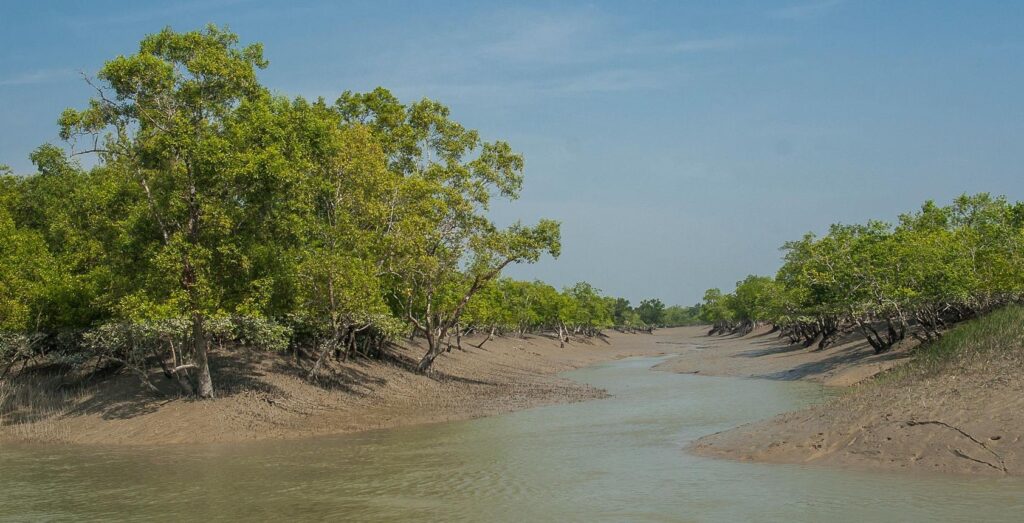
The Indian Sundarbans form part of the great Ganges–Brahmaputra delta system. The landscape is marked by tidal waterways, sediment-rich estuarine water, mangrove islands and a gradient of freshwater and saline influence. These characteristics are documented in scientific research on Sundarbans mangrove ecology.
For a semi-aquatic mammal, this landscape offers potential feeding and movement habitat where suitable ecological conditions exist. Yet the Sundarbans should not be treated as one uniform otter habitat.
Some waterways experience greater freshwater influence; others are more saline. Banks differ in their vegetation, sediment, slope and exposure to tides. Fishing and boat activity also vary from one location to another.
These differences can affect the availability of prey, resting cover and secure sites for raising young.
The West Bengal Biodiversity Board identifies the smooth-coated otter among the state’s notable mammals. Nevertheless, a reliable, fine-scale distribution map for the Indian Sundarbans cannot be established from that general listing alone.
For this reason, the most scientifically responsible conclusion is that the smooth-coated otter is relevant to the region’s wider wildlife and wetland ecology, while its precise local distribution and population condition require dedicated evidence.
Why Mangroves Matter to the Smooth-coated Otter
Mangroves are not merely trees growing beside water. They form a living structure that influences sediment retention, shoreline stability, habitat complexity and the movement of nutrients through coastal ecosystems.
In the Sundarbans, species such as Avicennia and Sonneratia grow in landscapes crossed by tidal creeks and bordered by muddy banks. Their roots and associated vegetation form part of the physical environment through which aquatic and terrestrial organisms move.
For smooth-coated otters, mangrove-associated waterways may provide access to prey and connected aquatic habitat. Vegetated banks can also provide concealment and shelter where their structure is suitable.
However, mangroves do not automatically guarantee otter presence. The animals also require adequate food, suitable resting sites and tolerable levels of disturbance. The precise importance of particular mangrove species to smooth-coated otters in the Indian Sundarbans remains insufficiently established in the publicly accessible evidence reviewed here.
The Ecological Importance of the Smooth-coated Otter
As a predator that feeds primarily on fish, the smooth-coated otter occupies a place within aquatic food webs. Its feeding activity connects fish populations with a mammal that moves between water and land.
By consuming prey, otters participate in ecological relationships that also involve other fish-eating animals, aquatic predators and people who harvest fish.
Their presence can therefore contribute to our understanding of the condition and connectivity of wetland habitats. But it would be misleading to treat otter sightings alone as a definitive measure of ecosystem health. A rigorous assessment must also consider water quality, prey communities, habitat condition and other ecological indicators.
In the Sundarbans, the smooth-coated otter is significant not because it can be assumed to occur everywhere, but because it represents an important ecological question: how do semi-aquatic mammals persist in a delta where freshwater, saline water, mangroves and human livelihoods continually intersect?
That question leads directly to the animal’s physical adaptations and daily life.
A Body Shaped by Water
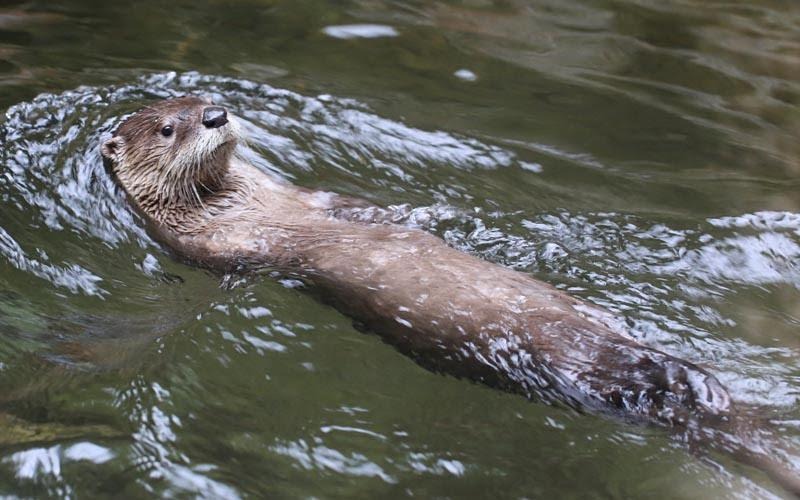
The smooth-coated otter’s body is adapted for movement through water. Its proportions reduce resistance while swimming, and its powerful tail helps provide propulsion and directional control.
Its fur is short, dense and smooth in appearance, usually brown across the upper body with a paler underside. The coat gives the species its common name and contributes to its distinctive appearance among Asian otters.
The animal’s form reflects the demands of an aquatic life: move efficiently, detect prey, change direction quickly and return to land when necessary.
The Head, Eyes and Whiskers
The otter’s head is relatively broad, with a short muzzle and small ears. Its eyes are positioned to support vision above and around the water surface, while its whiskers provide additional sensory information.
Whiskers, or vibrissae, are particularly important for mammals that hunt in environments where visibility may be reduced. They can detect disturbances and physical contact around the muzzle, helping an animal investigate its surroundings.
In the Sundarbans, suspended sediment can make estuarine water opaque. It is reasonable to recognise the value of tactile sensing in such an environment, but it would be an overstatement to claim that smooth-coated otters have a uniquely developed adaptation specifically for the muddy water of the Indian Sundarbans.
Their sensory abilities are species-level characteristics, not proof of a locally evolved specialisation.
Webbed Feet and Powerful Limbs
The smooth-coated otter has webbed feet that assist propulsion through water. Its limbs also help it steer and manoeuvre as it pursues prey or travels through a channel.
On land, those same limbs support movement between water and resting areas. Otters may use riverbanks and vegetated ground, so their lives are not confined to swimming.
The combination of aquatic propulsion and terrestrial movement is essential to a mammal that must obtain food in one environment and find shelter in another.
The Tail: More Than a Silhouette
The tail is long, thick and muscular, tapering towards its tip. It contributes to swimming power and directional movement.
When an otter travels through a river channel, the tail works with its body and limbs to produce controlled movement. The animal’s streamlined shape reduces drag, while coordinated limb and tail movements help it manoeuvre.
In a tidal landscape, currents can change in strength and direction. A swimming animal must respond to those conditions, although the exact movement strategies used by smooth-coated otters in individual Sundarbans creeks have not been sufficiently documented in the sources reviewed here.
How the Smooth-coated Otter Moves Through Mangrove Waterways
See it for yourself
A private journey shaped around you — your group, your pace, your interests. Book a free consultation.
A tidal creek is not a static river corridor. Water rises and falls, mudbanks become exposed and submerged, and the usable space around mangrove roots changes with the tide.
For a semi-aquatic mammal, such a setting presents both opportunities and constraints.
Swimming provides access to aquatic prey and allows movement between connected waterways. On land, suitable banks offer resting places and potential den sites. Vegetation can provide concealment, although dense roots, soft mud and exposed sediment also create physical obstacles.
Otters are capable swimmers, but they do not simply float wherever the current takes them. Their movements involve active propulsion and control.
It is also important to distinguish general species behaviour from locally measured behaviour. Without telemetry or systematic observation, we cannot accurately specify how far a Sundarbans smooth-coated otter travels during a tide, which channel it prefers or whether it follows a particular daily route.
What Does the Smooth-coated Otter Eat?
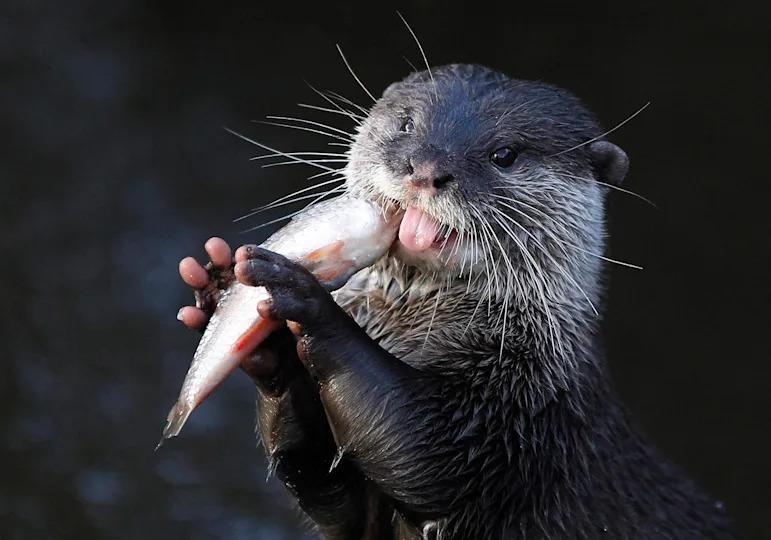
Fish form the principal component of the smooth-coated otter’s diet. Depending on habitat and availability, its prey can also include shrimp and other crustaceans, frogs and other small animals. The IUCN SSC Otter Specialist Group describes a varied diet and reports that smooth-coated otters may hunt cooperatively in groups.
This flexibility is valuable in wetlands, where prey availability can change with water levels, season and local environmental conditions.
In the Sundarbans, the estuarine food web includes numerous fish and crustaceans. However, the existence of these prey groups does not establish the precise composition of the local otter diet. That would require examination of field evidence such as scat, prey remains or direct feeding observations.
Hunting and Cooperative Foraging
Smooth-coated otters are known to forage cooperatively. Group hunting can help individuals locate, concentrate or pursue fish, although the extent and form of cooperation may vary with circumstances.
The species’ social behaviour distinguishes it from animals that generally forage alone.
It would be tempting to describe a group of otters deliberately driving fish into a creek corner in the Sundarbans. Such a scene is plausible as general otter behaviour, but it should not be presented as a verified local observation without supporting evidence.
The responsible approach is to explain the known behaviour while allowing the region’s specific story to emerge through field research.
Living with Tides, Salinity and Humidity
The smooth-coated otter uses both freshwater and certain coastal habitats. Its occurrence in coastal mangrove systems demonstrates that it can inhabit environments influenced by tides and changing water conditions. Studies from Indian coastal landscapes provide relevant evidence of this broader ecological flexibility.
That does not mean the species is unaffected by salinity.
Coastal waters vary in their suitability for different prey species, and salinity can influence the distribution of aquatic organisms. Changes in freshwater flow may therefore affect otters indirectly by altering the availability and location of food.
The smooth-coated otter should not be described as a marine mammal or assumed to tolerate every degree of salinity equally well. It remains a semi-aquatic mammal whose local success depends on the wider ecological conditions of its habitat.
Likewise, there is insufficient evidence to claim that Sundarbans otters possess a special physiological mechanism for drinking seawater or that they have developed a unique adaptation to cyclones or extreme tidal conditions.
Their ability to use coastal environments is established; more specific physiological claims need direct scientific support.
When Is the Smooth-coated Otter Most Active?
The smooth-coated otter is often described as mainly nocturnal, although it may also be active during daylight where disturbance is limited.
Activity can vary with local conditions, food availability and human disturbance. Consequently, it would be inaccurate to prescribe one universal time of day for observing the species in the Sundarbans.
An otter may be difficult to detect even when it occupies a suitable waterway. It can travel quickly, spend considerable time in water and use concealed resting places.
For researchers, understanding activity patterns requires repeated observations or appropriate monitoring methods rather than relying on a single encounter.
For wildlife observers, patience and distance are more valuable than attempts to force an encounter.
A Social Mammal of the Waterways
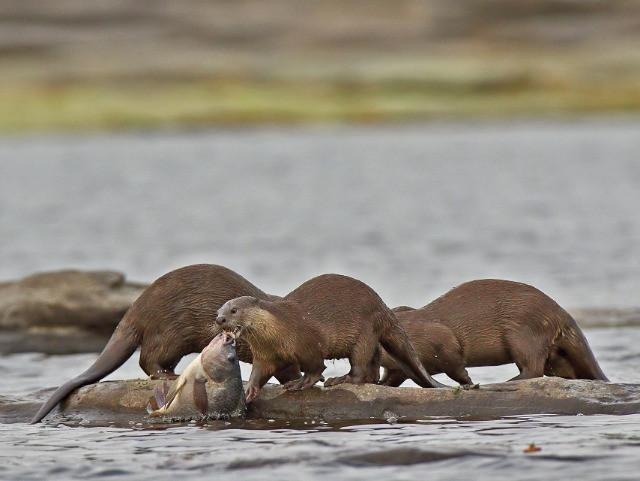
One of the most distinctive aspects of the smooth-coated otter is its social nature. Unlike many mustelids that are largely solitary, smooth-coated otters often live in family groups and can forage cooperatively.
The IUCN SSC Otter Specialist Group describes them as vocal animals that form large family groups. Group size and composition, however, can vary, and a large gathering should not automatically be interpreted as a permanent social unit.
Living in a group can support coordinated foraging, communication and the care of young. It also creates social relationships that extend beyond feeding.
In the Sundarbans, the species’ social behaviour would be especially interesting to document because tidal waterways can connect feeding areas, resting sites and sheltered banks. Yet there is a difference between understanding how the species behaves generally and knowing how a particular family group uses an individual mangrove creek.
The latter requires direct, repeated field observation.
Communication: Calls, Contact and Scent
Smooth-coated otters communicate through vocalisations and other behavioural signals. Calls can help maintain contact between individuals, particularly when members of a group are separated or moving through vegetation.
Scent marking is also part of otter communication. Scent deposited at particular locations can convey information about an animal’s presence and may contribute to social and territorial behaviour.
The details of communication vary between species and circumstances. It would be inappropriate to assign a specific meaning to every call or scent mark without evidence.
For a field naturalist, the important task is to observe the context: whether animals are feeding, travelling, gathering, defending a site or interacting with young.
Such context helps distinguish meaningful behaviour from assumptions based on appearance alone.
Territory and the Use of Space
Otters need access to suitable feeding areas and secure places to rest. Their use of space is therefore closely connected to the distribution of prey, water and shelter.
The size and configuration of a group’s range can depend on habitat quality and the availability of resources. A productive wetland may provide different opportunities from a disturbed waterway with fewer suitable resting places.
In a tidal delta, the apparent boundaries of habitat are also dynamic. Water levels and exposed banks change over the course of a tide, while fishing activity and boat movements can alter how undisturbed a location remains.
No defensible territory size or home-range estimate for the Indian Sundarbans population was identified in the sources reviewed for this article. General figures from other rivers should not be presented as local measurements.
Breeding, Birth and the Raising of Young
Reproduction is central to the survival of any wild population, yet many details about the smooth-coated otter’s life cycle are easier to establish from general species research than from studies of a specific population.
Females give birth in sheltered sites, and the young depend on parental care during their early development. Suitable denning habitat is therefore important, not merely for adult resting but also for successful reproduction.
The IUCN SSC Otter Specialist Group notes that smooth-coated otters need thick riverside vegetation in which to hide, dig dens and raise cubs.
For the Indian Sundarbans, the availability and condition of appropriate denning sites are important questions for future research. Mudbanks, vegetated margins and other sheltered areas may be relevant where their physical structure is suitable, but the actual den locations of local animals should not be assumed without records.
Parental Care and Juvenile Development
Young otters require protection and opportunities to develop the skills needed for aquatic life. During this period, suitable shelter and access to food in the surrounding habitat become especially important.
The survival of young animals may be affected by disturbance, habitat degradation and the availability of prey. These are reasonable ecological concerns, but their specific effects on smooth-coated otter reproduction in the Indian Sundarbans have not been quantified in the sources consulted.
Nor should exact local breeding seasons, litter sizes or juvenile survival rates be published without reliable supporting evidence.
A scientifically useful account must acknowledge where knowledge ends rather than fill those gaps with figures borrowed from unrelated populations.
Predators and Ecological Competition
Smooth-coated otters are predators, but they are not beyond predation themselves. The IUCN SSC Otter Specialist Group identifies large carnivores and crocodiles among their potential predators.
In a coastal delta, crocodilians are part of the wider aquatic food web. Nevertheless, a general predator relationship does not establish how often crocodiles prey on smooth-coated otters in the Indian Sundarbans. Direct evidence would be needed to estimate that relationship locally.
Otters also share aquatic resources with other fish-eating animals, including birds and larger aquatic predators. Competition may arise where different species depend on similar prey, but the outcome depends on the availability of food and how each species uses the habitat.
The smooth-coated otter’s place in this food web is best understood through its feeding ecology and habitat requirements, rather than through unsupported claims that it controls particular fish populations or determines the health of an entire river.
Smooth-coated Otters and the People of the Sundarbans
Human communities are an inseparable part of the wider Sundarbans landscape. Fishing, prawn collection, agriculture and other livelihoods depend on the region’s waterways and natural resources. The Government of West Bengal recognises these livelihood connections in its description of the Sundarbans and its development responsibilities.
The smooth-coated otter’s relationship with people can therefore be understood only within this working landscape.
Fish are important both to otters and to fishing communities. Where animals and people use the same waterways, their needs can intersect. Potential points of tension include competition over fish, accidental capture in fishing equipment, disturbance around resting sites and the effects of changing aquatic conditions.
These are recognised concerns in otter conservation more broadly, but the frequency and severity of each issue in the Indian Sundarbans should not be assumed without local evidence.
It is equally important not to portray fishing communities as inherently hostile to wildlife. People living and working in the delta have detailed practical knowledge of tides, waterways and seasonal changes. That knowledge can contribute to research and conservation when documented responsibly and combined with scientific methods.
Coexistence Rather Than Blame
Effective conservation must recognise that local people depend on functioning aquatic ecosystems.
Where conflict occurs, useful responses may include documenting the circumstances, improving understanding of accidental capture, protecting suitable habitat and involving local communities in monitoring. The right intervention depends on the actual problem.
A programme designed for a river with heavy net entanglement, for example, may not address a location where the principal concern is bank disturbance or pollution.
For the Indian Sundarbans, better information about the species’ distribution, interactions with fishing activity and use of mangrove-associated waterways would help conservation practitioners identify where action is most needed.
What Threatens the Smooth-coated Otter?
The conservation challenges facing smooth-coated otters arise from a combination of direct human pressures and changes to the habitats on which they depend.
The IUCN SSC Otter Specialist Group identifies habitat loss, poaching, accidental trapping, illegal trade and pollution among the major threats affecting the species.
Their relevance to the Indian Sundarbans needs to be assessed through local evidence rather than assumed to be identical across the species’ range.
1. Habitat Loss and Degradation
Otters need more than a channel containing fish. They also require suitable banks, resting cover and places where young can be raised.
Changes to shorelines, loss of vegetation and degradation of connected wetlands can reduce the availability of these resources. The removal or disturbance of suitable bank cover may affect an otter even where water remains present.
In the Sundarbans, habitat assessments should therefore examine both aquatic conditions and the surrounding land-water interface.
2. Fishing Activity and Accidental Capture
Fishing equipment can pose a risk to aquatic wildlife. Otters may encounter nets or other gear while moving through waterways in search of prey.
However, the extent of accidental capture among smooth-coated otters in the Indian Sundarbans has not been established by the sources reviewed here.
Targeted reporting and monitoring would help determine whether the issue is occurring, where it is concentrated and what measures could reduce the risk without undermining local livelihoods.
3. Pollution and Water Quality
Pollution can affect aquatic ecosystems directly and indirectly. Contaminants may damage habitat quality, affect prey organisms and enter food webs.
For a fish-eating mammal, changes in prey availability and aquatic conditions can have consequences beyond the immediate water body.
The specific contaminant exposure and population-level effects on smooth-coated otters in the Indian Sundarbans remain insufficiently documented in the evidence available for this article. These impacts should be investigated rather than presented as quantified local findings.
4. Illegal Killing and Wildlife Trade
The demand for otter fur and the illegal trade in live animals have been identified as conservation concerns across parts of the species’ range.
Effective protection requires enforcement against illegal activity, awareness of wildlife laws and reliable information about where the animals occur.
There is no basis here for assigning a particular level of illegal killing or trade to the Indian Sundarbans population.
5. Climate Change and the Changing Delta
The Sundarbans are exposed to environmental pressures associated with cyclones, erosion, changing salinity and sea-level rise. These processes affect the wider delta and its communities.
Their implications for smooth-coated otters are likely to depend on how they alter habitat, prey availability, freshwater influence and access to sheltered banks.
For example, erosion can remove sections of shoreline, while changes in salinity can influence the distribution of aquatic organisms. These mechanisms provide reasons for research, but they do not establish a measured decline in otter numbers.
Understanding the species’ future in the Sundarbans requires combining wildlife monitoring with long-term environmental data.
How Are Smooth-coated Otters Monitored?
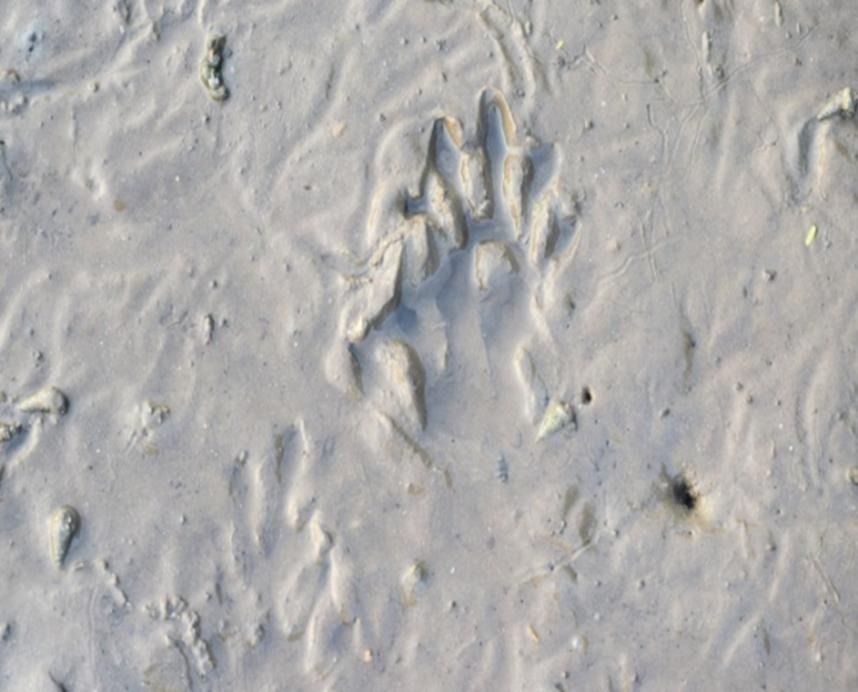
Otters can be difficult to monitor because they move between land and water, use concealed resting places and may be active when observers are absent.
A reliable monitoring programme therefore combines multiple methods suited to the habitat and research question.
Field Signs and Direct Observation
Researchers can document sightings and search suitable banks for tracks, scat and other signs of presence. Repeated surveys help establish whether an observation is isolated or part of a pattern of habitat use.
Field signs must be identified carefully. Tracks can be obscured by tides, while scat may be washed away, disturbed or confused with that of other animals.
A single sign should not be treated as proof of a resident family group without appropriate supporting evidence.
Camera Traps
Camera traps can record animals passing through suitable terrestrial locations, resting sites and selected travel routes.
Their usefulness depends on camera placement, environmental conditions and how often otters use the monitored location. Cameras positioned only on dry land may miss animals whose movements are primarily aquatic.
A well-designed programme would select sites based on habitat assessment and, where feasible, evidence of otter activity.
Scat Analysis
Scat analysis can help researchers investigate diet, using identifiable remains and, where suitable, molecular methods.
In a coastal ecosystem, tidal washing and rapid environmental change may complicate sample collection. Researchers must also take care to distinguish the species responsible for each sample.
Scat evidence can reveal feeding relationships, but it cannot independently establish the total population size.
Repeated Surveys and Population Assessment
Population monitoring requires a consistent method, repeated observations and a clear understanding of the method’s limitations.
Direct sightings, camera-trap records, genetic evidence and field signs may provide complementary information. Their value depends on survey design, detection probability and the ability to distinguish individuals or groups.
For the Indian Sundarbans, a systematic baseline survey would be a valuable step towards answering basic questions about the smooth-coated otter’s distribution, habitat use and conservation needs.
Conservation in the Indian Sundarbans
The wider Sundarbans contains protected landscapes and forest areas managed through established conservation frameworks. The Wildlife Institute of India’s Management Effectiveness Evaluation portal describes Sundarban Tiger Reserve as a protected landscape in West Bengal comprising the Sundarban National Park, Sajnekhali Wildlife Sanctuary and reserve forest areas.
Protected-area management provides an important foundation for safeguarding habitats and biodiversity. However, the existence of protected areas does not, by itself, demonstrate that a particular species is adequately monitored or that its population is stable.
For smooth-coated otters, effective conservation would benefit from several complementary priorities:
- Establish a reliable baseline of occurrence across suitable waterways.
- Record habitat characteristics at locations where otters are detected.
- Investigate accidental capture and other potential interactions with fishing activity.
- Monitor water quality and the condition of riverbanks and mangrove-associated habitats.
- Strengthen awareness of the species and applicable wildlife protections.
- Involve local communities in reporting observations and identifying conservation concerns.
- Repeat surveys over time to identify changes in distribution or habitat use.
These are proposed conservation priorities, not a claim that every activity is currently being implemented specifically for smooth-coated otters in the Indian Sundarbans.
The central requirement is evidence: conservation measures should respond to documented local conditions and be evaluated against clear objectives.
Where Can the Smooth-coated Otter Be Observed in the Sundarbans?
The most responsible starting point is to distinguish suitable habitat from confirmed observation sites.
Smooth-coated otters are associated with rivers, wetlands and certain coastal environments, and the Indian Sundarbans contains extensive tidal waterways and mangrove-associated aquatic habitats. West Bengal’s biodiversity information also recognises the species among the state’s mammals.
However, the research reviewed for this article did not establish a reliable, current, site-specific record that would justify identifying a particular Indian Sundarbans creek, island, watchtower or forest block as a smooth-coated otter hotspot.
Accordingly, the following should be treated as habitat categories for investigation, not verified sightseeing recommendations:
- Tidal creek margins: Potentially suitable where prey, access and sheltered banks are available.
- Mangrove-associated waterways: Relevant for studying the relationship between aquatic habitat and vegetation.
- Riverbanks with suitable resting cover: Worth assessing through systematic field surveys.
- Connected estuarine channels: Potential movement and feeding habitat where local conditions support the species.
Named locations such as Sajnekhali, Sudhanyakhali, Dobanki, Netidhopani and Burirdabri should not be advertised as confirmed smooth-coated otter observation sites without species-specific records.
For a wildlife knowledge platform, this distinction protects readers from false expectations and keeps conservation communication scientifically credible.
The Important Truth About Wildlife Sightings
Wild animals do not appear on demand.
An animal may use a waterway regularly without being seen during a short visit. It may remain concealed, move through a different channel or be active outside the observation period.
The absence of an otter sighting does not prove that the species is absent. Equally, a single sighting does not establish a large or stable population.
The most meaningful understanding of wildlife emerges from patient observation, reliable records and respect for the conditions in which animals live.
What Makes the Smooth-coated Otter of the Sundarbans Unique?
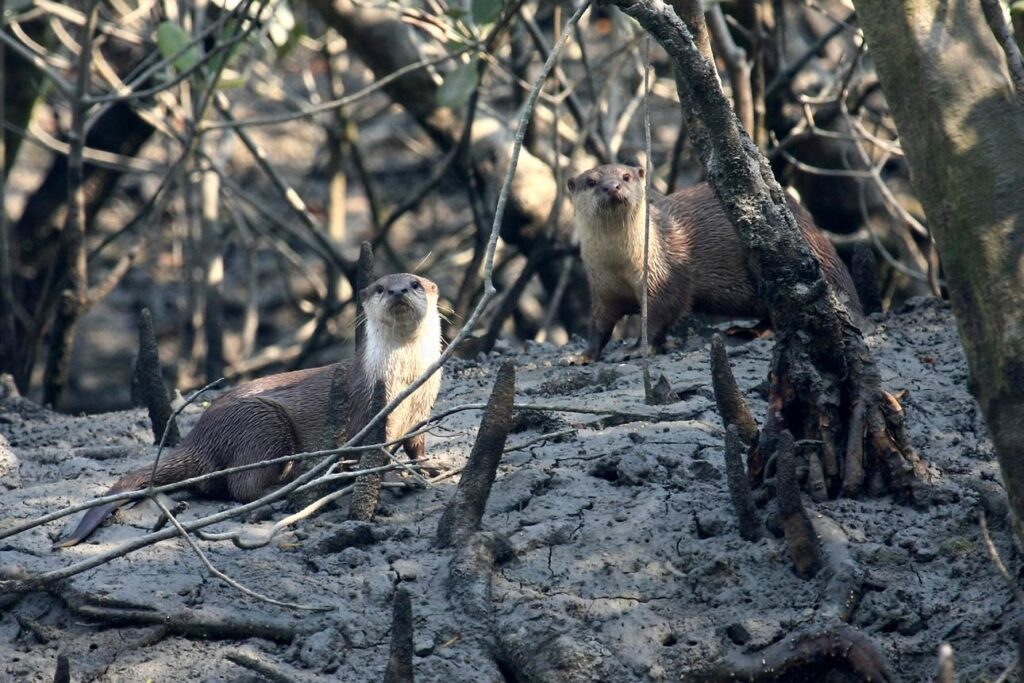
The smooth-coated otter is not unique to the Sundarbans, and there is currently insufficient evidence to describe the Indian Sundarbans animals as a separate subspecies or a genetically distinct population.
What makes its presence in this landscape ecologically interesting is the relationship between a semi-aquatic mammal and one of the world’s great tidal mangrove systems.
1. Life at the Freshwater–Saltwater Interface
The Sundarbans is shaped by freshwater influence, tidal movement and changing salinity. Smooth-coated otters can occupy certain coastal habitats elsewhere in their range, making the species relevant to understanding how aquatic mammals use estuarine landscapes.
The exact salinity conditions preferred by otters in the Indian Sundarbans remain an open research question.
2. A Dependence on Connected Habitat
Otters require access to food, water and sheltered resting sites. In the Sundarbans, these resources are distributed across a complex network of creeks, channels, banks and islands.
Understanding how the species moves between these elements could help researchers identify the habitat features most important to its survival.
3. A Predator Within a Mangrove Food Web
As a fish-eating mammal, the smooth-coated otter links aquatic prey with the wider food web. Its ecological role extends beyond the moment when an animal is seen swimming or feeding.
Its presence can provide useful information about habitat use, particularly when supported by repeated monitoring and other environmental measurements.
4. A Conservation Story That Still Needs Local Evidence
The most important distinction is between the species’ established biology and the unanswered questions about its local population.
How widely is it distributed across the Indian Sundarbans? Which habitats does it use most often? How does its activity change with tides, season and human disturbance? What pressures most affect its survival here?
These are questions that a dedicated research programme could address.
The smooth-coated otter’s significance in the Sundarbans lies not in an invented claim of uniqueness, but in the opportunity to understand and conserve a semi-aquatic mammal within a changing estuarine ecosystem.
Myths and Facts About the Smooth-coated Otter
Myth: Smooth-coated otters live only in freshwater.
Fact: The species uses a range of freshwater and coastal habitats, including certain mangrove-associated environments.
Myth: Every otter sighting means a healthy, established population.
Fact: A sighting confirms presence at a particular time and place, not population size or long-term stability.
Myth: Smooth-coated otters are exclusively nocturnal.
Fact: They are often mainly nocturnal but may be active during daylight where disturbance is limited.
Myth: All creeks in the Sundarbans are equally suitable for otters.
Fact: Habitat quality depends on prey availability, shelter, water conditions, connectivity and disturbance.
Myth: The smooth-coated otter is unique to the Sundarbans.
Fact: It occurs across a much wider Asian range. The ecological interest lies in how it uses suitable habitats within the Sundarbans, not in a claim of geographic exclusivity.
FAQs
1. What is the scientific name of the smooth-coated otter?
Its widely used scientific name is Lutrogale perspicillata. Some taxonomic databases use Lutra perspicillata following revisions to mammalian classification.
2. Is the smooth-coated otter found in the Indian Sundarbans?
The species is recognised in West Bengal’s biodiversity information. However, its precise distribution and population size within individual parts of the Indian Sundarbans require more detailed, location-specific documentation.
3. Is the smooth-coated otter endangered?
The IUCN SSC Otter Specialist Group lists the species as Vulnerable. This indicates a significant conservation concern, although local abundance and threats vary across its range.
4. What does the smooth-coated otter eat?
Fish are its principal food. Depending on habitat and availability, its diet can also include shrimp, crabs, frogs and other small animals.
5. Can smooth-coated otters live in mangrove forests?
Yes. The species uses certain coastal and mangrove-associated habitats. Research in Goa has found a relationship between mangrove cover and otter occurrence, although that finding should not be treated as a direct distribution survey of the Indian Sundarbans.
6. Are smooth-coated otters social animals?
Yes. They often live and forage in family groups and are known for cooperative hunting and vocal communication. Group size and behaviour can vary with circumstances.
7. Are smooth-coated otters active during the day?
They are often described as mainly nocturnal, but they can be active during daylight when disturbance is limited. Their activity patterns may differ between habitats.
8. What are the main threats to smooth-coated otters?
Recognised threats include habitat loss, pollution, illegal killing and trade, and accidental capture. The relative importance of these pressures in the Indian Sundarbans needs further local assessment.
9. Where can smooth-coated otters be seen in the Sundarbans?
The sources reviewed do not establish a reliable current hotspot within the Indian Sundarbans. Suitable waterways and mangrove-associated habitats may be relevant for research, but sightings cannot be guaranteed.
10. Why is the smooth-coated otter important to the Sundarbans ecosystem?
As a predator that feeds mainly on fish, it forms part of the aquatic food web. Studying its distribution and habitat use can help researchers better understand the ecological relationships within the region’s wetlands and estuaries.
The Wild Orbit Perspective
The Sundarbans is a landscape that cannot be understood through its most famous animal alone. Its ecological story also unfolds in tidal channels, beneath mangrove canopies and along the muddy margins where aquatic and terrestrial life meet.
The smooth-coated otter belongs to that quieter story.
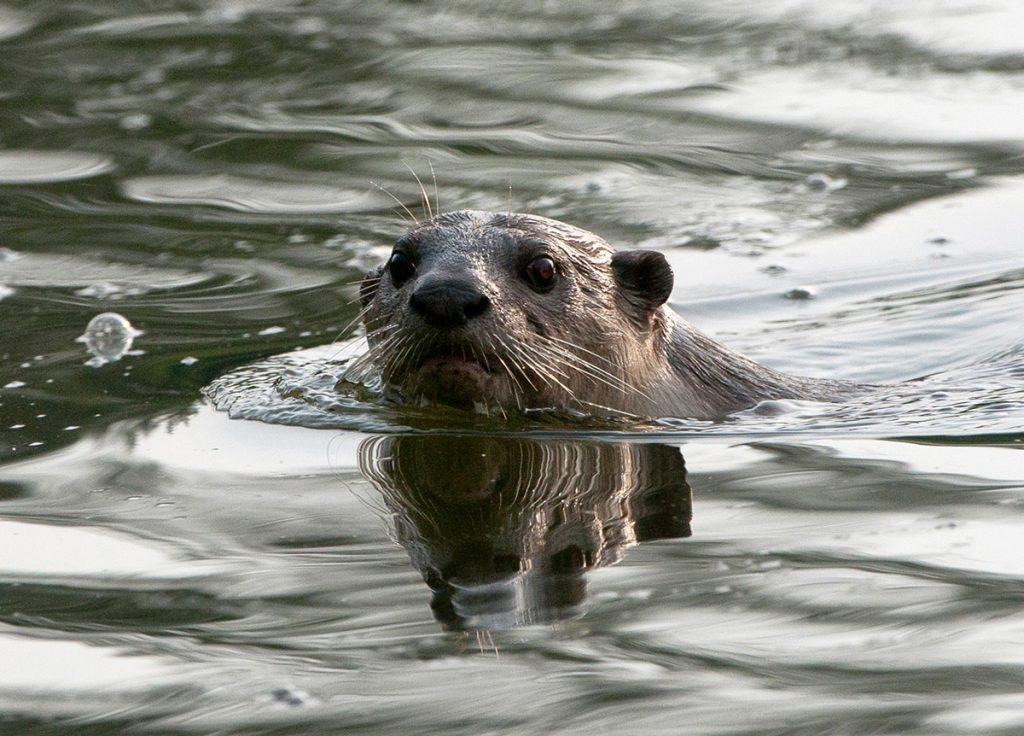
Its streamlined body and aquatic habits connect it to the fish and other prey of wetlands. Its need for shelter connects it to the banks and vegetation surrounding those waters. Its conservation depends on a broader system in which habitat condition, water quality and human livelihoods are inseparable.
There is still much to learn about the species’ distribution and ecology in the Indian Sundarbans. That uncertainty is not a reason to overlook the animal. It is a reason to observe more carefully, document evidence more rigorously and recognise the value of habitats whose wildlife remains incompletely understood.
The future of the smooth-coated otter is tied to the future of the waterways it inhabits.
And in the Sundarbans, every creek is part of a larger story of water, life and change.
Plan your private Sundarban expedition
A private journey shaped around you — your group, your pace, your interests. Book a free consultation.